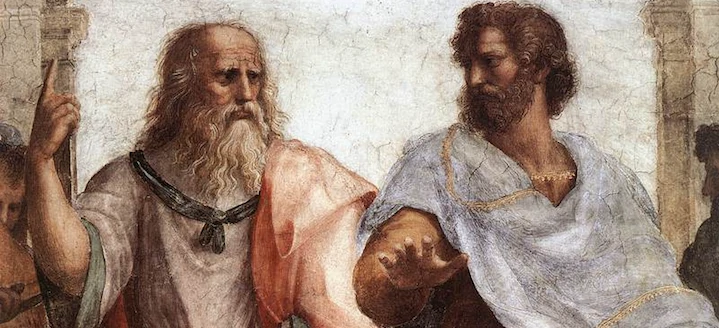
Aristotle and Plato
Page Description
Explore the ethical questions behind injustice: What defines decency, and how do we discern what’s right in the face of wrongdoing? A reflection on shared values.
The Soul of Justice: What’s Decent, What’s Right?
When we confront stories of injustice, we are faced with questions that dig deep into our collective conscience. What defines decency in a world where power sometimes blinds those in authority to the suffering of the innocent? And beyond decency, how do we determine what is truly right?
This page explores the moral essence – or soul – of events that have unfolded. As we look at what happened, we ask not just about right or wrong but about the underlying principles that guide human action, the values we expect in justice, and the responsibility we share to ensure those values are upheld.
De Ziel van Gerechtigheid: Wat is Fatsoenlijk, Wat is Juist?
Wanneer we geconfronteerd worden met verhalen over onrecht, staan we voor vragen die diep in ons collectieve geweten graven. Wat definieert fatsoen in een wereld waarin macht soms de ogen van autoriteiten sluit voor het lijden van onschuldigen? En voorbij fatsoen, hoe bepalen we wat werkelijk juist is?
Deze pagina verkent de morele kern – of ziel – van de gebeurtenissen die hebben plaatsgevonden. Terwijl we kijken naar wat er gebeurde, vragen we niet alleen naar goed of fout, maar ook naar de onderliggende principes die menselijk handelen sturen, de waarden die we verwachten in gerechtigheid, en de verantwoordelijkheid die we delen om ervoor te zorgen dat die waarden worden nageleefd.
Whether personal or collective,
the soul is the deeply rooted essence that defines
a person, action, or institution on the most profound level.
The Moral Dissonance of Leadership: Paula Vennells and the Post Office Scandal
Paula Vennells, the former CEO of the Post Office, often spoke of her Christian faith, quoting passages like: “Give to your servant an understanding heart that I may discern between good and evil” (1 Kings 3:9). These words, spoken with the intention of showing compassion and wisdom, seem deeply sincere. But the reality of her leadership paints a troubling picture.
As CEO, Vennells was at the helm during a period of profound injustice, overseeing the prosecution and wrongful conviction of hundreds of innocent Subpostmasters. These were people whose lives were destroyed by a flawed and defective system. Despite knowing that the software was at fault, the Post Office continued to pursue legal action, and Vennells stood by in silence, offering little to no resolution to the suffering inflicted on these individuals.
Here lies the moral dilemma. If you truly possess an understanding heart, if you claim to discern between good and evil, how can you, in the face of such immense suffering, fail to act? The pain caused to the Subpostmasters was not abstract—it was personal, immediate, and devastating. How could a person with a conscience, someone who professes to care, allow such harm to continue under their watch?
The answer may lie in the nature of power and the detachment it can create. As CEO, Vennells wielded immense authority, but with that power came the responsibility to intervene. Her inaction speaks volumes. If you are in a position to stop injustice, to prevent harm, and you choose not to, the question becomes: Is that leadership or complicity? The very idea of a “servant leader” — someone meant to serve with understanding and empathy — collapses under the weight of the suffering ignored.
It is impossible to reconcile the words of compassion with the silence in the face of wrongdoing. Paula Vennells, in her position of power, had the means to prevent the devastation caused by the flawed Horizon IT system. Yet, despite the growing evidence of the miscarriage of justice, she failed to act in a way that would have saved the Subpostmasters from their suffering.
The question remains: How does someone who claims to discern between good and evil reconcile that with their failure to act when the stakes are so high?
De Morele Dissonantie van Leiderschap: Paula Vennells en het Post Office Schandaal
Paula Vennells, de voormalige CEO van de Post Office, sprak vaak over haar christelijke geloof, met citaten zoals: “Geef uw dienaar een verstandige hart, zodat ik kan onderscheiden tussen goed en kwaad” (1 Koningen 3:9). Deze woorden, uitgesproken met de intentie om compassie en wijsheid te tonen, lijken oprecht. Maar de realiteit van haar leiderschap schildert een verontrustend beeld.
Als CEO stond Vennells aan het roer tijdens een periode van diep onrecht, waarin honderden onschuldige Subpostmasters werden vervolgd en ten onrechte veroordeeld. Dit waren mensen wiens levens werden verwoest door een gebrekkig en defect systeem. Ondanks het feit dat bekend was dat de software de oorzaak was, bleef de Post Office juridische stappen ondernemen, terwijl Vennells in stilte bleef, zonder een oplossing te bieden voor het leed dat deze mensen werd aangedaan.
Hier ligt het morele dilemma. Als je werkelijk een verstandige hart hebt, als je zegt goed van kwaad te kunnen onderscheiden, hoe kun je, tegenover zo’n enorm lijden, niet handelen? De pijn die de Subpostmasters werd aangedaan was niet abstract – het was persoonlijk, direct en verwoestend. Hoe kan een persoon met een geweten, iemand die beweert zich om anderen te bekommeren, zoveel schade toestaan onder hun toezicht?
Het antwoord ligt misschien in de aard van macht en de vervreemding die het kan veroorzaken. Als CEO had Vennells enorme autoriteit, maar met die macht kwam de verantwoordelijkheid om in te grijpen. Haar inactie zegt veel. Als je in staat bent om onrecht te stoppen, om schade te voorkomen, en je kiest ervoor niets te doen, dan wordt de vraag: Is dat leiderschap of medeplichtigheid? Het idee van een “dienende leider” — iemand die bedoeld is om te dienen met begrip en empathie — valt in duigen onder het gewicht van het verwaarloosde lijden.
Het is onmogelijk om de woorden van compassie te verzoenen met de stilte tegenover verkeerd handelen. Paula Vennells, in haar machtspositie, had de middelen om de verwoestingen veroorzaakt door het gebrekkige Horizon IT-systeem te voorkomen. Toch, ondanks het groeiende bewijs van gerechtelijke dwaling, faalde ze in het nemen van maatregelen die de Subpostmasters hadden kunnen redden van hun lijden.
De vraag blijft: Hoe kan iemand die beweert goed van kwaad te onderscheiden dat verzoenen met hun falen om te handelen wanneer de inzet zo hoog is?
The soul can represent the shared human experience
or the unique spirit of a community or culture.
When we speak of “soul” in terms of events or institutions,
we’re often referring to the values or driving force behind them
—their guiding principles or ethical core.
Tom en Sanne kropen dronken achter het stuur


This page is still under constrution.