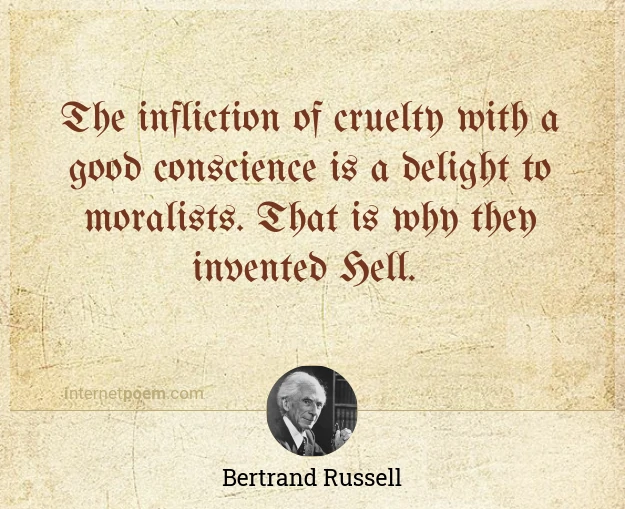
The infliction of cruelty with a good conscience is a Delight to moralists. That is why they invented Hell.
Page Description
Abuse of justice, shielded by authority and conscience-less cruelty, led to wrongful convictions and ruined lives. Uncover the moral failures behind it.
1 Introduction
In a world where justice is expected to protect the innocent, what happens when it is twisted to destroy lives? This page delves into the dark reality of systemic abuse within the justice system, where authority and the absence of conscience enabled wrongful convictions on a massive scale.
Shielded by power, those responsible manipulated legal tools to hide the truth and silence voices, leaving countless victims to bear the consequences. Here, we uncover the moral failures, the intentional deceptions, and the lives forever altered by conscience-less cruelty masked as justice.
Gewetenloze wreedheid: onrecht ontketend
In een wereld waarin rechtvaardigheid geacht wordt de onschuldigen te beschermen, wat gebeurt er als deze wordt verdraaid om levens te verwoesten? Deze pagina onderzoekt de donkere werkelijkheid van structureel misbruik binnen het rechtssysteem, waar autoriteit en een gebrek aan geweten grootschalige gerechtelijke dwalingen mogelijk maakten.
Beschermd door macht manipuleerden de verantwoordelijken juridische middelen om de waarheid te verbergen en stemmen het zwijgen op te leggen, waardoor talloze slachtoffers de gevolgen moesten dragen. Hier onthullen we de morele tekortkomingen, de bewuste misleiding, en de levens die voorgoed zijn getekend door gewetenloze wreedheid, vermomd als rechtvaardigheid.
Het toebrengen van wreedheid
met een goed geweten
is een genot voor moralisten.
Daarom hebben ze de hel uitgevonden.
2 The Cruelty of Conscience: A Reflection on Justice
Hypocrisy in Justice: The quote illustrates how individuals or institutions can justify their cruel actions under the guise of righteousness. In the context of the Post Office scandal, the prosecution of innocent Subpostmasters was often rationalized as upholding the law, despite the evident injustice.
Moral Delusion: It highlights the moral delusion that allows people to inflict suffering while believing themselves to be justified. This delusion was evident among those who perpetuated the flawed prosecutions, showing a disregard for the human cost involved.
Institutional Cruelty: The idea of inflicting cruelty with a “good conscience” resonates with how powerful institutions, like the Post Office, operated. Their willingness to sacrifice innocent lives to protect their reputation or avoid accountability reflects a profound moral failing.
The Role of Oversight: The lack of effective oversight mechanisms in the justice system allowed such cruelties to occur without consequence. As the quote suggests, this moral blindness has deep roots in societal structures that prioritize self-preservation over justice.
A Call for Accountability: Just as the moralists in the quote created Hell to illustrate the consequences of such behavior, it’s crucial to demand accountability for those who wield power irresponsibly. Highlighting these cruelties can serve as a rallying point for reform and a commitment to ethical standards in the justice system.
Conclusion
De Wreedheid van Geweten: Een Reflectie op Justitie
Hypocrisie in Justitie: Het citaat illustreert hoe individuen of instellingen hun wrede daden kunnen rechtvaardigen onder het mom van rechtschapenheid. In de context van het Post Office-schandaal werd de vervolging van onschuldige subpostmasters vaak gerechtvaardigd als het handhaven van de wet, ondanks de evidente onrechtvaardigheid.
Morele Illusie: Het benadrukt de morele illusie die mensen in staat stelt lijden te veroorzaken terwijl ze zichzelf als gerechtvaardigd beschouwen. Deze illusie was duidelijk zichtbaar bij degenen die de gebrekkige vervolgingen in stand hielden, en toonde een minachting voor de menselijke kosten die ermee gemoeid waren.
Institutionele Wreedheid: Het idee om wreedheid te veroorzaken met een “goed geweten” resoneert met hoe machtige instellingen, zoals de Post Office, opereerden. Hun bereidheid om onschuldige levens op te offeren om hun reputatie te beschermen of verantwoordelijkheden te vermijden, weerspiegelt een diepgaande morele tekortkoming.
De Rol van Toezicht: Het gebrek aan effectieve toezichtsmechanismen in het rechtssysteem maakte het mogelijk dat dergelijke wreedheden zonder consequenties konden plaatsvinden. Zoals het citaat suggereert, heeft deze morele blindheid diepe wortels in maatschappelijke structuren die zelfbehoud boven rechtvaardigheid stellen.
Een Oproep tot Verantwoording: Net zoals de moralisten in het citaat de hel creëerden om de gevolgen van dergelijk gedrag te illustreren, is het cruciaal om verantwoording te eisen van degenen die onzorgvuldig met macht omgaan. Het benadrukken van deze wreedheden kan dienen als een oproep tot hervorming en een toewijding aan ethische normen in het rechtssysteem.
Conclusie: Het citaat kan op krachtige wijze de onderliggende thema’s van hypocrisie en morele blindheid in de context van systematische onrechtvaardigheid overbrengen. Het benadrukt de noodzaak van een rechtssysteem dat niet alleen streeft naar straf, maar ook medemenselijkheid en integriteit hooghoudt, zodat wreedheid geen plaats heeft binnen zijn kader.
This quote can powerfully convey the underlying themes of hypocrisy and
moral blindness in the context of systemic injustice.
It emphasizes the need for a justice system that not only seeks to punish but also upholds compassion and integrity, ensuring that cruelty has no place within its framework.
Dit citaat geeft op indringende wijze de onderliggende thema’s van hypocrisie en morele blindheid weer in de context van structureel onrecht. Het benadrukt de noodzaak van een rechtssysteem dat niet alleen gericht is op bestraffing, maar ook mededogen en integriteit hoog in het vaandel heeft staan, zodat wreedheid daarin geen plaats heeft.
3 Modern Day Slavery: An Analogy to Systemic Injustice
Referring to the injustices faced by the Subpostmasters and the broader implications of systemic failures in the justice system as “Modern Day Slavery” emphasizes the severe human cost and exploitation involved. Here’s how this concept can be articulated:
Exploitation of Innocent Individuals: The wrongful prosecutions of Subpostmasters, who were subjected to criminal charges based on flawed evidence, parallel the exploitation inherent in slavery. These individuals were treated as disposable, their lives and livelihoods destroyed to protect the interests of a powerful institution.
Loss of Agency: Just as enslaved individuals are stripped of their autonomy, the Subpostmasters lost their rights and freedom in the face of a corrupt system. Their voices were silenced, and their pleas for justice were ignored, reflecting a broader disregard for human dignity.
Systematic Dehumanization: The systemic failures in the justice system dehumanized the Subpostmasters, reducing them to mere statistics in a flawed prosecution narrative. This parallels how enslaved individuals are often viewed as property rather than human beings, emphasizing the moral and ethical failures at play.
Concealment of Truth: The organized efforts to conceal the flaws in the Horizon IT system and the resulting injustices mirror the historical efforts to obscure the realities of slavery. In both cases, powerful entities sought to maintain their dominance and control by manipulating narratives and silencing dissent.
Perpetuation of Suffering: The long-lasting impact of the wrongful convictions is akin to the generational trauma caused by slavery. The emotional, psychological, and financial burdens placed on those wrongfully accused have profound implications that extend beyond individual cases, affecting families and communities.
Call for Awareness and Action: Labeling these injustices as “Modern Day Slavery” serves as a powerful call to action, urging society to recognize and confront the systemic abuses of power. It emphasizes the need for accountability, reform, and a commitment to human rights.
Conclusion
The term “Modern Day Slavery” captures the essence of the exploitation, dehumanization, and systemic failures present in the Post Office scandal and similar injustices. It highlights the urgent need to address these issues with the seriousness they deserve, advocating for a justice system that truly serves and protects the rights of all individuals. This framing not only raises awareness but also encourages a collective effort to dismantle the structures that allow such injustices to persist.
De term ‘Moderne Slavernij’ vat de kern samen van de uitbuiting,
ontmenselijking en systemische tekortkomingen die aanwezig waren in
het Post Office-schandaal en vergelijkbare onrechtvaardigheden.
Ze benadrukt de dringende noodzaak om deze kwesties met de ernst te behandelen
die ze verdienen, en pleit voor een rechtssysteem dat werkelijk de rechten
van alle individuen dient en beschermt. Deze benadering vergroot niet alleen het bewustzijn,
maar stimuleert ook een gezamenlijke inspanning om de structuren af te breken
die dergelijk onrecht in stand houden.
4 Organized Court Cases to Conceal the Real Problem
The organization of court cases to conceal the underlying issues in the Post Office scandal is a critical aspect of the narrative that highlights systemic corruption and abuse of power. Here’s a deeper look into how this dynamic plays out:
Deflection of Accountability: By prosecuting Subpostmasters en masse, the Post Office aimed to shift the focus away from the flawed Horizon IT system. This deflection served to protect the institution from scrutiny and accountability for its failures.
Scapegoating Innocent Individuals: The wrongful prosecutions created a narrative that suggested the Subpostmasters were at fault, allowing the Post Office to evade responsibility for the software issues. This scapegoating effectively minimized attention to the real problem—the software failures and systemic flaws in the organization.
Maintaining Public Confidence: The court cases were part of a broader strategy to maintain public confidence in the Post Office as a trusted institution. By framing the narrative around the supposed wrongdoing of individuals rather than systemic issues, the Post Office sought to uphold its reputation and legitimacy.
Creating a Culture of Fear: The organized prosecution of innocent Subpostmasters likely created a chilling effect, discouraging others from speaking out about the injustices they witnessed. This culture of fear facilitated the continuation of the misconduct by preventing dissenting voices from challenging the status quo.
Manipulation of the Legal System: The legal processes were used as instruments to legitimize the wrongful convictions rather than as mechanisms for justice. The organized nature of these court cases suggests an effort to manipulate the legal system to serve the interests of the Post Office rather than those of justice and truth.
Obstruction of Genuine Investigations: By saturating the legal system with wrongful prosecutions, the Post Office could obstruct genuine investigations into the real causes of the issues. This diversion of resources and attention allowed the institution to operate without facing the consequences of its actions.
Conclusion
The organization of court cases to conceal the real problems within the Post Office scandal illustrates a deliberate strategy of deception and control.
De organisatie van rechtszaken om de echte problemen binnen
het Post Office-schandaal te verdoezelen,
illustreert een opzettelijke strategie van misleiding en controle.
De manier waarop rechtszaken zijn opgezet om de werkelijke problemen
in het schandaal rond het postkantoor te verdoezelen,
wijst op een bewuste strategie van misleiding en controle.
This approach not only perpetuated injustices
against innocent individuals
but also shielded the Post Office from
accountability for its systemic failures.
It underscores the urgent need for transparency, reform,
and a commitment to justice
that prioritizes the truth over institutional protection.
5 Psychologist Dr Paul Duckett Explains Mr Beer’s Magnificence
What makes Mr Beer magnificent?
25 okt 2024
00:00:00 – Start
00:01:54 – 1. Precise and Plain
00:16:40 – 2. Answer the Goddamn Question
00:25:24 – 3. Closed Questions
00:32:41 – 4. Didn’t suffer fools gladly
00:35:59 – 5. The Comedy of Mr Beer
00:57:10 – Conclusion
My video that praises the work of Jason Beer, lead counsel to the Post Office Horizon IT Inquiry. I pick out the five things that I think makes him magnificent.
What makes Mr. Beer so remarkable? Psychologist Dr. Paul Duckett explains how his behavior and personality provide fascinating insights into human psychology, showing how we learn, respond, and connect with others.
Discover why Mr. Beer’s unexpected reactions reveal surprising truths about human behavior, as explained by psychologist Dr. Paul Duckett.
Wat maakt meneer Beer zo bijzonder? Psycholoog Dr. Paul Duckett legt uit hoe zijn gedrag en karaktertrekken een fascinerend inzicht geven in menselijke psychologie en de manieren waarop we leren, reageren en verbinding maken.
Ontdek waarom de onverwachte reacties van de heer Beer verrassende waarheden over menselijk gedrag onthullen, zoals uitgelegd door psycholoog dr. Paul Duckett.
Paula Vennells to give evidence at Post Office Horizon IT inquiry | EXPLAINED
22 mei 2024
Paula Vennells arrives at Post Office Horizon IT inquiry
Paula Vennells is set to give evidence during a phase of the probe which is looking at governance.
Ms Vennells is accused of overseeing what has been described as the most widespread miscarriage of justice in UK history after subpostmasters started experiencing unexplained losses in their accounts as a result of the faulty Horizon IT system, which they were held liable for under their contract with the Post Office.
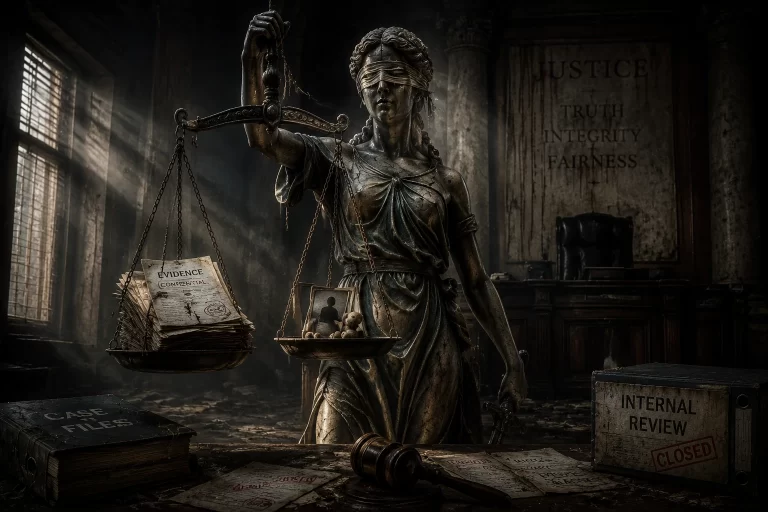
Explore how systemic abuse in the justice system,
shielded by authority and conscience-less cruelty,
led to wrongful convictions
and destroyed lives.
Uncover the moral failures behind injustice.
Wanneer macht en wreedheid het rechtssysteem beheersen,
worden onschuldigen veroordeeld en levens vernietigd.
Ontdek het falen van geweten achter het onrecht.

Ontdek hoe structureel misbruik binnen het rechtssysteem,
beschermd door autoriteit en gewetenloze wreedheid,
leidde tot onterechte veroordelingen
en verwoestte levens.
Maak de morele tekortkomingen achter het onrecht zichtbaar.
6 The Cleaner Takes Over
Mall Cleaner Gone Rogue
12 apr 2011
A mall cleaner takes people’s full cups and meals even though they’re totally not finished.
JFL British Edition is a presentation of JustForLaughsTV, the official Just For Laughs Gags YouTube channel. Home of the funniest, greatest, most amazing, most hilarious, win filled, comedy galore, hidden camera pranks in the world!
Just like a rogue cleaner turning a mall upside down, the justice system’s failures created confusion, disorder, and harm. Small decisions, unchecked power, and blind authority left lives in disarray—an everyday chaos with real consequences.
Imagine having even the simplest essentials, like a cup of coffee, taken away—and then imagine what it means when wrongful convictions take away the very things life is made of.
Net zoals een losgeslagen schoonmaker een winkelcentrum op stelten kan zetten, veroorzaakten de fouten in het rechtssysteem verwarring, chaos en leed. Kleine beslissingen, ongecontroleerde macht en blinde autoriteit lieten levens in wanorde achter – dagelijkse chaos met echte gevolgen.
Stel je voor dat zelfs de eenvoudigste basisbehoeften, zoals een kop koffie, van je worden afgepakt – en bedenk dan wat het betekent wanneer onterechte veroordelingen de dingen wegnemen waar het leven uit bestaat.