Page Descresption
The principle of “Render to Caesar what is Caesar’s”
can be seen as an encouragement towards honesty and integrity
in dealings with fellow human beings.
Render to Caesar What Is Caesar’s
The phrase “Render to Caesar what is Caesar’s” originates from the Bible, where Jesus responds to a question about paying taxes to the Roman Empire. In Mark 12:17, Jesus’ answer highlights the distinction between secular and divine obligations, suggesting that individuals should fulfill their duties to both earthly authorities and spiritual commitments. This simple yet profound teaching raises important questions about the balance between one’s civic responsibilities and moral or religious principles.
In this context, we explore not only the biblical meaning but also its relevance today, particularly through the lens of justice and accountability. In the modern world, the phrase can serve as a reminder to confront issues of corruption and mismanagement within systems of power, where some may fail to act responsibly with the resources entrusted to them.
The Post Office scandal, for example, illustrates a grave injustice where the system itself became the oppressor, embezzling money and wrongly convicting innocent individuals. The phrase “Render to Caesar” in this case can be seen as a call to hold those in power accountable for the harm they cause, ensuring that justice is served in both earthly and moral terms.
This page examines how these themes of responsibility and accountability unfold in both biblical texts and modern-day controversies, with a focus on the Post Office scandal and its devastating impact on innocent victims.
Geef aan Caesar wat van Caesar is
De uitdrukking “Geef aan Caesar wat van Caesar is” komt uit de Bijbel, waar Jezus antwoordt op de vraag of men belasting moet betalen aan het Romeinse rijk. In Marcus 12:17 benadrukt Jezus het verschil tussen aardse en goddelijke verplichtingen, en suggereert dat mensen zowel hun verplichtingen aan aardse autoriteiten als aan hun spirituele verplichtingen moeten nakomen. Dit eenvoudige, maar diepgaande antwoord roept belangrijke vragen op over de balans tussen burgerlijke verantwoordelijkheden en morele of religieuze principes.
In deze context onderzoeken we niet alleen de Bijbelse betekenis, maar ook de relevantie ervan in de hedendaagse tijd, met name door de lens van rechtvaardigheid en verantwoording. In de moderne wereld kan de uitdrukking dienen als een herinnering om corruptie en wanbeheer binnen machtsstructuren te confronteren, waar sommigen falen om verantwoordelijk om te gaan met de middelen die aan hen zijn toevertrouwd.
Het Post Office-schandaal is bijvoorbeeld een ernstige onrechtvaardigheid waarbij het systeem zelf de onderdrukker werd, geld verduisterde en onterecht onschuldige mensen veroordeelde. De uitdrukking “Geef aan Caesar” kan in dit geval worden gezien als een oproep om degenen die in macht staan verantwoordelijk te houden voor de schade die ze veroorzaken, en ervoor te zorgen dat rechtvaardigheid wordt gediend, zowel op aardse als morele gronden.
Deze pagina onderzoekt hoe deze thema’s van verantwoordelijkheid en verantwoording zich ontvouwen in zowel Bijbelse teksten als hedendaagse controverses, met een focus op het Post Office-schandaal en de verwoestende impact die het had op onschuldige slachtoffers.

And Jesus Answering Said Unto Them, Render To Caesar The Things That Are Caesar’s, And To God The Things that are God’s
The principle of “Render to Caesar what is Caesar’s” can be seen as an encouragement towards honesty and integrity in dealings with fellow human beings. It implies a sense of honesty, fairness, and integrity in worldly affairs.
When considering this saying in the context of honesty, it suggests that fulfilling one’s obligations to secular authorities isn’t just about following laws or paying taxes; it extends to acting with honesty and integrity in all interactions with others. It advocates for treating others fairly, honestly, and justly, aligning with the broader ethical teachings found in many religious and philosophical systems.
In essence, while it specifically addresses the relationship between civic duties and spiritual obligations, it indirectly promotes a broader ethical principle that includes honesty and integrity in all aspects of life, including interactions with fellow humans.
1 JESUS, (English), Paying Taxes to Caesar
23 jun 2011
A docudrama on the life of Jesus Christ based on the Gospel of Luke, JESUS has been translated into more than 1,000 languages since its 1979 release. It remains the most translated and viewed film in history.
2 Mark 12 | Render unto Caesar and unto God | The Bible
Mark 12 | Render unto Caesar and unto God | The Bible
Conspiring men seek to entangle Jesus in His words. Instead, the Savior wittingly teaches them that it is possible to respect civil authority and honor God.
Mark 12:13–17
13 And they send unto him certain of the Pharisees and of the Herodians, to catch him in his words.
14 And when they were come, they say unto him, Master, we know that thou art true, and carest for no man: for thou regardest not the person of men, but teachest the way of God in truth: Is it lawful to give tribute to Cæsar, or not?
15 Shall we give, or shall we not give? But he, knowing their hypocrisy, said unto them, Why tempt ye me? bring me a penny, that I may see it.
16 And they brought it. And he saith unto them, Whose is this image and superscription? And they said unto him, Cæsar’s.
17 And Jesus answering said unto them, Render to Cæsar the things that are Cæsar’s, and to God the things that are God’s. And they marvelled at him.
These original, short videos depict scenes from Jesus Christ’s life, ranging from the angel foretelling
Jesus Christ’s birth to the Savior’s Resurrection. It is our hope that these New Testament videos help
people to visualize what they have only been able to imagine and help give a better understanding
and appreciation for the life and ministry of the Savior Jesus Christ.
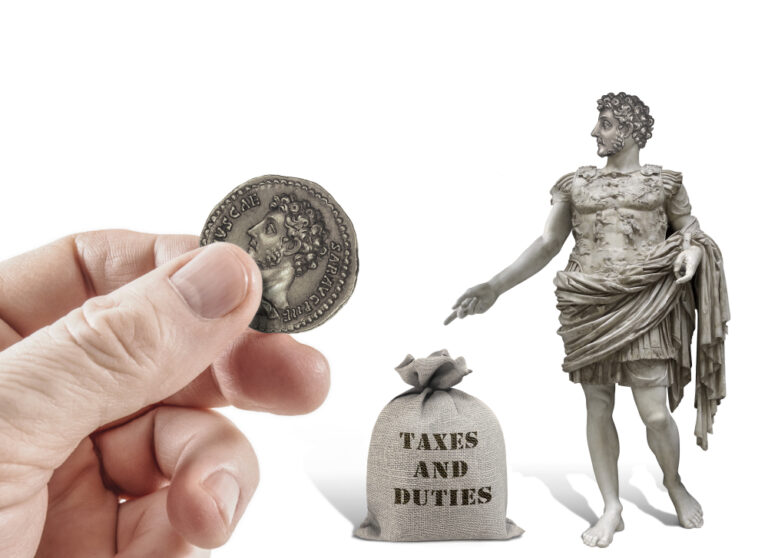
“Render to Caesar what is Caesar’s” is a statement made by Jesus in the Bible in response to a question posed to him about paying taxes. It suggests the idea of fulfilling civic responsibilities, such as paying taxes or giving the government what is rightfully theirs.
In this context, Jesus was teaching about the importance of both religious and secular duties. He acknowledged the need to comply with the demands of the government (“Caesar”) in matters that pertain to the secular world while also emphasizing the importance of fulfilling one’s spiritual duties to God.
Essentially, it’s a principle that advocates for a balance between one’s obligations to the state or earthly authorities and one’s obligations to God or spiritual beliefs.
“Render to Caesar what is Caesar’s” encapsulates several key points:
Responsibility to Civil Authorities: The statement underscores the idea of fulfilling civic responsibilities and obeying secular authorities. It implies that individuals should abide by the laws of the land, pay taxes, and contribute to society in ways required by the government.
Separation of Religious and Secular Responsibilities: It emphasizes a separation between religious/spiritual obligations and secular duties. While acknowledging the importance of spiritual devotion to God, it also highlights the significance of respecting and meeting one’s obligations in the secular realm.
Balancing Spiritual and Worldly Obligations: There’s a message of balance, advocating for individuals to navigate both their spiritual and worldly obligations. It encourages a harmonious existence where individuals honor both their faith and their duties as citizens within a society governed by secular laws.
Context of Jesus’ Teaching: Jesus used this statement to respond wisely to a question posed to him about paying taxes, showcasing his ability to navigate controversial topics with depth and wisdom. It was a way for Jesus to address the tension between religious beliefs and loyalty to secular authority without endorsing one over the other.
Overall, “Render to Caesar what is Caesar’s” promotes the idea of fulfilling one’s civic responsibilities while not neglecting one’s spiritual obligations, advocating for a balanced and conscientious approach to life.
3 Render Unto Caesar
12 okt 2020
In Matthew 22, the Pharisees attempt to trip Jesus up again with a question about paying taxes to Caesar. Attempting to trap Jesus with a question that has problematic consequences no matter how he answered it if he would have answered it directly, Jesus tells the Pharisees and other listeners to render unto Caesar that which belongs to Caesar and to God that which belongs to God.
Watch Dr. Pitre discuss this famous scene on Jesus being tested by the Pharisees.
Check out this video with Dr. Brant Pitre to learn more about this parable of wedding feast.
To learn more about this video series, The Mass Readings Explained, and the Gospel reading, Responsorial Psalm, and the Old Testament reading for this Sunday’s Mass, subscribe today to The Mass Readings Explained:
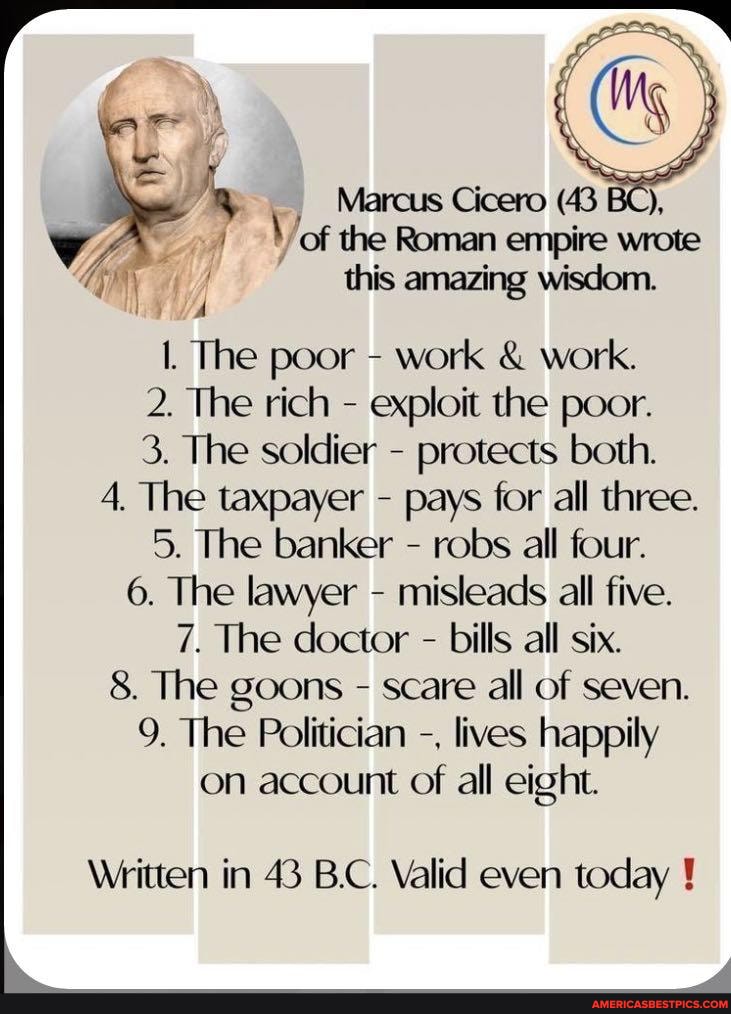
Render to Caesar what is Caesar’s” is a phrase from the Bible, specifically from the Gospel of Matthew (22:21). It is often interpreted as a call for individuals to respect the authority of the state, while also maintaining one’s spiritual obligations.
A response to this might focus on the idea of balancing civic duties with personal beliefs:
“While we are called to fulfill our obligations to society, this saying reminds us that there are realms in which our spiritual or moral obligations may differ from the demands of worldly authorities. The key is to recognize where each duty belongs and how we navigate the intersection between them.”
In the context of the phrase, “spiritual or moral obligations” refer to the duties and principles that come from one’s inner sense of right and wrong, often shaped by religious or philosophical beliefs, rather than the rules or laws imposed by society or the state.
- Spiritual obligations are the duties or responsibilities individuals feel toward their faith or higher power. These might include actions like prayer, meditation, charity, or adhering to religious teachings.
- Moral obligations are the duties people feel toward others based on their sense of ethics or morality. These are shaped by personal values or societal norms that guide decisions about what is right or wrong, regardless of legal requirements. For instance, honesty, kindness, and fairness could be seen as moral obligations.
These obligations can sometimes conflict with legal demands or government regulations, especially in cases where laws may be seen as unjust, immoral, or incompatible with an individual’s faith.
In daily life, spiritual and moral obligations often show up in situations where we have to make choices that reflect our values and beliefs, especially when these choices aren’t always directly aligned with the law or societal expectations.
For example:
- Spiritual obligations might lead someone to volunteer for a cause that aligns with their religious beliefs, even if it’s not a “duty” in a legal sense. A person might also choose to prioritize their faith practices (like attending church or praying) over work or social commitments, which can sometimes clash with professional or social pressures.
- Moral obligations might come into play when someone is faced with a situation where doing the right thing isn’t legally required. For instance, speaking out against corruption at work, even though it’s not illegal but may cause personal or professional harm, could be driven by an internal moral compass. Similarly, standing up for someone being treated unfairly, even when it’s not in your best interest, is an example of a moral obligation.
These kinds of obligations often ask us to do what we believe is right, even when it may not be the easiest or most beneficial course of action according to the laws or expectations of others. In some cases, these obligations can lead to conflict—like when laws or social norms seem to contradict one’s sense of right or faith.
Geef de keizer wat de keizer toebehoort’ is een uitdrukking uit de Bijbel, specifiek uit het Evangelie van Mattheüs (22:21). Het wordt vaak geïnterpreteerd als een oproep aan individuen om het gezag van de staat te respecteren, terwijl men ook de spirituele verplichtingen behoudt.
Een antwoord op deze uitspraak zou kunnen focussen op het idee van het balanceren van burgerlijke plichten met persoonlijke overtuigingen:
“Hoewel we worden aangemoedigd om onze verplichtingen tegenover de samenleving na te komen, herinnert deze uitspraak ons eraan dat er domeinen zijn waarin onze spirituele of morele verplichtingen kunnen verschillen van de eisen van wereldse autoriteiten. De sleutel is om te herkennen waar elke plicht thuishoort en hoe we het kruispunt tussen beide navigeren.”
In de context van de uitspraak verwijst “spirituele of morele verplichtingen” naar de plichten en principes die voortkomen uit iemands innerlijk gevoel van goed en fout, vaak gevormd door religieuze of filosofische overtuigingen, in tegenstelling tot de regels of wetten die door de samenleving of de staat worden opgelegd.
- Spirituele verplichtingen zijn de plichten of verantwoordelijkheden die mensen voelen ten opzichte van hun geloof of hogere macht. Dit kunnen handelingen zijn zoals gebed, meditatie, liefdadigheid of het naleven van religieuze leerstellingen.
- Morele verplichtingen zijn de plichten die mensen voelen tegenover anderen op basis van hun gevoel voor ethiek of moraal. Deze worden gevormd door persoonlijke waarden of maatschappelijke normen die beslissingen leiden over wat juist of onjuist is, ongeacht wettelijke vereisten. Bijvoorbeeld, eerlijkheid, vriendelijkheid en rechtvaardigheid kunnen als morele verplichtingen worden gezien.
Deze verplichtingen kunnen soms in conflict komen met wettelijke eisen of overheidsregelingen, vooral in gevallen waar wetten als onrechtvaardig, immoreel of onverenigbaar met iemands geloof worden gezien.
In het dagelijks leven komen spirituele en morele verplichtingen vaak voor in situaties waarin we keuzes moeten maken die onze waarden en overtuigingen weerspiegelen, vooral wanneer deze keuzes niet altijd direct in overeenstemming zijn met de wet of maatschappelijke verwachtingen.
Bijvoorbeeld:
- Spirituele verplichtingen kunnen iemand ertoe aanzetten zich in te zetten voor een zaak die overeenkomt met hun religieuze overtuigingen, zelfs als dit geen “plicht” is in juridische zin. Iemand kan er ook voor kiezen om hun geloofspraktijken (zoals het bijwonen van de kerk of bidden) voorrang te geven boven werk- of sociale verplichtingen, wat soms in conflict kan komen met professionele of sociale druk.
- Morele verplichtingen komen vaak naar voren wanneer iemand wordt geconfronteerd met een situatie waarin het juiste doen niet wettelijk vereist is. Bijvoorbeeld, het aanklagen van corruptie op het werk, hoewel dit niet illegaal is maar persoonlijke of professionele schade kan veroorzaken, kan worden aangedreven door een intern moreel kompas. Evenzo kan het opkomen voor iemand die onterecht wordt behandeld, zelfs als het niet in je eigen belang is, een voorbeeld zijn van een morele verplichting.
Deze verplichtingen vragen ons vaak om te doen wat we geloven dat juist is, zelfs als het niet de gemakkelijkste of meest voordelige koers van actie is volgens de wetten of verwachtingen van anderen. In sommige gevallen kunnen deze verplichtingen leiden tot conflict—zoals wanneer wetten of sociale normen in strijd lijken te zijn met iemands gevoel van rechtvaardigheid of geloof.
4 Post Office EMBEZZLED money from ‘illusory’ Horizon shortfalls
8 feb 2024
Post Office EMBEZZLED innocent subpostmasters money from ‘illusory’ Horizon shortfalls states Sam Stein KC representing subpostmasters at the Post Office Horizon IT Inquiry.
His powerful conclusions outline an organisation out of its depth, reaching beyond its responsibility and trailing a path of destruction behind it seemingly unfazed by the scale of human destruction that it was leaving in its wake.
He explains how the poorly understood Post Office contracts were enforced without thought, and usually without sight, of the subpostmasters they affected.
5 Son Of Wrongfully Convicted Postmaster Says Father Will “Never, Ever Recover” From Scandal
2 jan 2024
Son of a wrongfully convicted postmaster, Varchas Patel says his father will “never, ever recover” from the Post Office scandal.
The case was a miscarriage of justice involving the wrongful civil and criminal prosecutions of an unpublished number of sub-postmasters (SPMs) for theft, false accounting and fraud.
The cases are the most widespread miscarriage of justice in British legal history, spanning a period of over twenty years with many aspects of the scandal remaining unresolved.
Mr Patel says: “His reputation is in tatters, family were horrible. There was racism, harassment, death threats from locals – they wanted him dead!”
6 “We’ve Not Seen ANYTHING Like This Before” Government To Override Courts To Clear Postmasters
11 jan 2024
A new law is to be introduced to exonerate hundreds of Post Office branch managers caught up in the Horizon IT scandal.
Prime Minister Rishi Sunak said they were victims of “one of the greatest miscarriages of justice in our nation’s history”.
Hundreds of subpostmasters were convicted of swindling money on the basis of evidence from a flawed IT system.
TalkTV’s Jeremy Kyle and Rosie Wright discuss the story with legal commentator Joshua Rozenberg and TalkTV chief political commentator Peter Cardwell.
Joshua says there’s not been “anything” like the legislation “before.
7 Daily Podcast: ‘Why did we have to wait for a TV drama?’ – Post Office convictions quashed
10 jan 2024 Sky News Daily Podcasts
Rishi Sunak has promised a new law to exonerate and compensate Post Office branch managers who were wrongly prosecuted in the Horizon IT scandal.
But those seeking payouts will have to sign a statement of truth to say they didn’t commit the crimes they were accused of.
8 ***Petit HULK pas intimidé!***
4 jun 2013
Le petit garçon qui se fait intimidé par les voyous qui lui ont volé sa casquette entre dans une toilette, se transforme en véritable Hulk aux gros muscles vert et leur fait tellement peur qu’ils se sauvent en courant. Bien fait pour eux!
Une présentation de la chaine vidéo YouTube officielle de Juste pour rire les gags. Régalez-vous des meilleurs et plus drôles gags de caméra cachée jamais tournés.