Page Description
Explore ‘Whose Bread One Eats, Whose Word One Speaks,’ a page that delves into how our affiliations and influences shape our perspectives and values.
“The old saying ‘Whose bread one eats, whose word one speaks’ reminds us of the deep connection between what we consume and how we speak. In a world where power often comes from those who provide sustenance, both literal and metaphorical, this page delves into how our sources of support—be it food, wealth, or ideology—shape our beliefs, actions, and words. Who are we truly serving when we align ourselves with certain powers? And what happens when those who feed us begin to control our speech?”
“Het oude gezegde ‘Wie het brood eet, spreekt diens woord’ herinnert ons aan de diepe verbinding tussen wat we consumeren en hoe we spreken. In een wereld waar macht vaak voortkomt uit degenen die ons ondersteunen—zowel letterlijk als metaforisch—duikt deze pagina in de manier waarop onze bronnen van steun—of het nu voedsel, welvaart of ideologie is—onze overtuigingen, acties en woorden vormen. Dienaren we werkelijk degene die ons voeden, wanneer we ons met bepaalde machten verbinden? En wat gebeurt er wanneer diegenen die ons voeden, beginnen onze woorden te beheersen?”
“Whose bread one eats, whose word one speaks” is a proverb that conveys several key points:
Dependence on others: The proverb highlights the concept of dependence on others for sustenance. When you eat someone’s bread, it implies that you are reliant on them for nourishment and sustenance. This could refer to literal food or resources, or it could be symbolic, indicating reliance on someone for support or assistance.
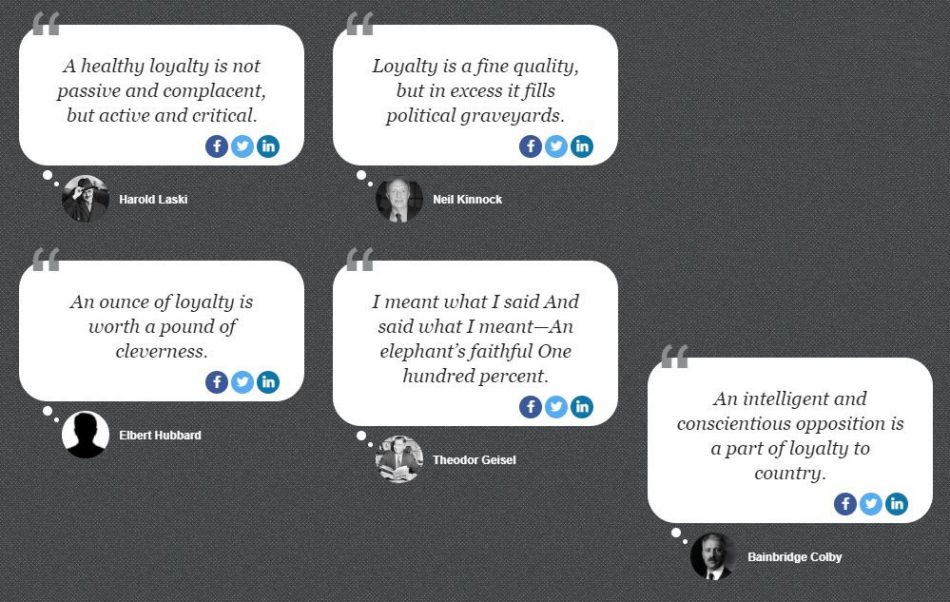
Loyalty and allegiance: The proverb also emphasizes the idea of loyalty and allegiance. When you speak someone’s word, it means you are advocating for their beliefs or opinions. It suggests that you are aligning yourself with that person’s perspective and expressing loyalty to their ideas or values.
Accountability and responsibility: The proverb also suggests that by accepting someone’s bread or speaking their word, you are assuming responsibility or accountability. It implies that you are endorsing their actions or viewpoints and may be held responsible for the consequences or outcomes associated with them.
Consequences of actions: The proverb underscores the notion that our actions have consequences. By accepting someone’s bread or speaking their word, you are associating yourself with them and their actions. It highlights that we should be mindful of the choices we make and the impact they may have on our reputation, relationships, and well-being.
Integrity and authenticity: The proverb also implies the importance of integrity and authenticity. It suggests that one should be genuine and true to oneself, aligning their actions and words with their own values and beliefs, rather than blindly following others. It encourages personal accountability and staying true to one’s own convictions.
Overall, “Whose bread one eats, whose word one speaks” underscores the notions of dependence, loyalty, accountability, consequences of actions, and integrity. It reminds us to be mindful of the choices we make and the company we keep, and to be authentic in our words and actions.

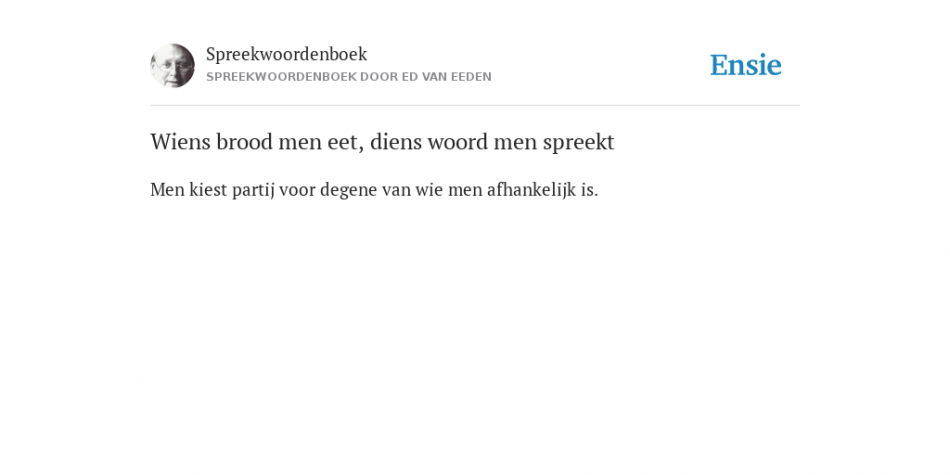
One tends to side with the party one depends upon.
“Wiens brood men eet; diens woord men spreekt.”

Brigade anti-bombe engage des enfants