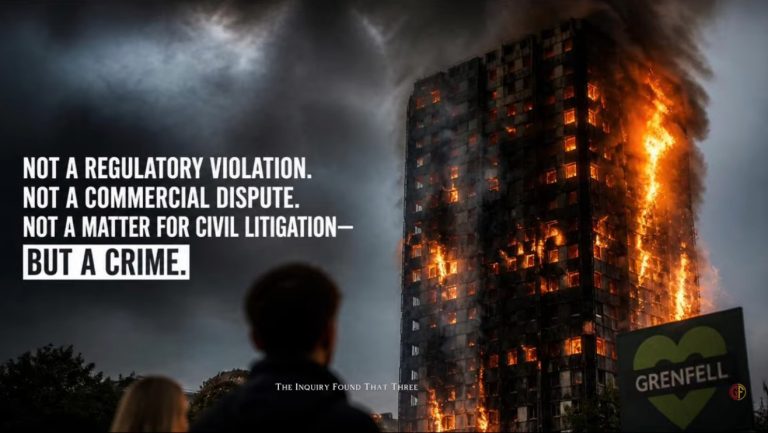
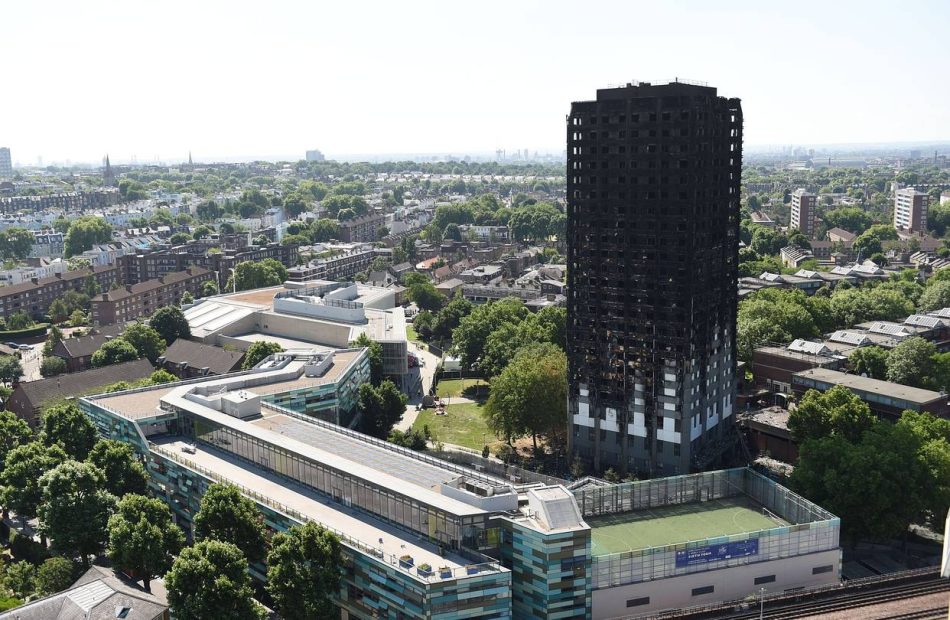
Grenfell Tower was not the result of one mistake or one moment of failure. It was the consequence of years of warnings ignored, decisions made without sufficient regard for safety, and a system in which responsibility was repeatedly avoided.
The tragedy was avoidable. The risks of the materials used were known before the fire, safer alternatives were available, and recommendations such as sprinklers had been made long before. Yet essential protections were not put in place.
What happened at Grenfell goes beyond a simple error or accident. It reveals a chain of failures across many levels — failures in regulation, testing, decision-making, and accountability. The question is not only how the fire happened, but how a system allowed such a disaster to become possible.
The Grenfell Tower tragedy was not caused by a danger that nobody knew about. The materials, the risks and safer alternatives were known before the fire. What followed was a chain of decisions, failures and, as described by the Inquiry, instances of dishonesty that allowed those risks to remain hidden.
The tragedy of Grenfell only becomes fully understandable when all the elements are brought together. Each piece of evidence supports the next: the materials used, the warnings that existed beforehand, failures in testing and regulation, and the absence of adequate protection.
What began as a small fire, with firefighters arriving within minutes, developed into a catastrophe of unimaginable speed. Within around 20 minutes, flames had travelled from the fourth floor to the top of the building and spread around the exterior.
For anyone looking at the events from the outside, it is difficult to comprehend how a residential tower could become engulfed so rapidly. The facts do not only tell the story of a fire; they reveal a chain of failures that turned a manageable incident into a tragedy.
Grenfell Tower was niet het gevolg van één fout of één enkel moment van falen. Het was het gevolg van jaren waarin waarschuwingen werden genegeerd, beslissingen werden genomen zonder voldoende rekening te houden met veiligheid, en een systeem waarin verantwoordelijkheid steeds opnieuw werd ontlopen.
De tragedie had voorkomen kunnen worden. De risico’s van de gebruikte materialen waren vóór de brand bekend, veiligere alternatieven waren beschikbaar en aanbevelingen, zoals het installeren van sprinklers, waren al veel eerder gedaan. Toch werden essentiële veiligheidsmaatregelen niet getroffen.
Wat er bij Grenfell gebeurde, gaat verder dan een eenvoudige fout of een ongeluk. Het onthult een keten van tekortkomingen op vele niveaus — tekortkomingen in regelgeving, testen, besluitvorming en verantwoordelijkheid. De vraag is niet alleen hoe de brand kon ontstaan, maar ook hoe een systeem het mogelijk maakte dat zo’n ramp kon gebeuren.
De tragedie van Grenfell Tower werd niet veroorzaakt door een gevaar waarvan niemand op de hoogte was. De materialen, de risico’s en veiligere alternatieven waren vóór de brand bekend. Wat volgde was een keten van beslissingen, tekortkomingen en, zoals beschreven door de Onderzoekscommissie, gevallen van oneerlijkheid waardoor deze risico’s verborgen bleven.
De tragedie van Grenfell kan pas volledig worden begrepen wanneer alle elementen samen worden bekeken. Elk onderdeel van het bewijs ondersteunt het volgende: de gebruikte materialen, de waarschuwingen die vooraf bestonden, de tekortkomingen in testen en regelgeving, en het ontbreken van voldoende bescherming.
Wat begon als een kleine brand, waarbij de brandweer binnen enkele minuten ter plaatse was, ontwikkelde zich tot een ramp van een onvoorstelbare snelheid. Binnen ongeveer 20 minuten hadden de vlammen zich vanaf de vierde verdieping verspreid tot aan de top van het gebouw en zich langs de buitenzijde van de toren uitgebreid.
Voor iedereen die de gebeurtenissen van buitenaf probeert te begrijpen, is het moeilijk te bevatten hoe een woontoren zo snel volledig in brand kon raken. De feiten vertellen niet alleen het verhaal van een brand; ze onthullen een keten van tekortkomingen die een beheersbaar incident veranderde in een tragedie.
Er komt een moment waarop reflectie niet langer optioneel is — wanneer de feiten, blootgelegd door openbare onderzoeken, gerechtelijke verslagen en menselijke getuigenissen, meer vragen dan passief observeren.
Deze website is niet slechts een verzameling verhalen; het is een lens waardoor we onder ogen moeten zien wat gerechtigheid werkelijk is — en waar ze tekortschiet wanneer menselijkheid uit beeld verdwijnt.
De woorden van Adriaan Roland Holst echoën dit gevoel van stille toewijding:
“I
In die geest heeft dit werk nooit gestreefd naar lof of beloning. Het bestaat omdat zwijgen medeplichtigheid werd. Omdat achter elke juridische procedure, elke valse beschuldiging, elke publieke leugen, een mens stond — en vaak stond er niemand aan hun zijde.
Van Rickey Jackson tot de Subpostmasters in het Post Office-schandaal, spreken de verhalen die hier verzameld zijn niet alleen over gebroken systemen, maar over iets diepers: de erosie van menselijkheid — van het menselijke hart binnen onze instellingen.
Deze pagina vormt de ethische basis onder alle andere. Een spiegel die we niet alleen aan de rechtbanken, maar ook aan onszelf voorhouden.
Waarom Deze Website Bestaat
Deze website begon met één vraag: Hoe kon dit gebeuren?
Maar na verloop van tijd veranderde die vraag. Ze werd: Waarom laten we het steeds weer gebeuren?
De verhalen van onterechte veroordelingen, verwoeste levens en institutionele ontkenning zijn geen geïsoleerde fouten. Ze zijn symptomen van een dieper probleem: een rechtssysteem dat vaak zichzelf beschermt voordat het de waarheid beschermt. Een systeem dat vertrouwen eist terwijl het transparantie weigert. Een systeem waar macht alleen luistert wanneer ze gedwongen wordt — en dan vaak pas nadat er schade is aangericht.
De bedoeling van deze site is niet om te overweldigen, maar om wakker te schudden. Om te verzamelen, te verbinden en te confronteren — via echte zaken en echte gevolgen — hoe ver gerechtigheid kan afdrijven wanneer ze de mensen die ze moet dienen vergeet.
Wat Gerechtigheid Eist
Gerechtigheid is geen technische uitkomst. Het is geen vonnis op papier. Ware gerechtigheid begint met luisteren — en wordt gedragen door verantwoordelijkheid, inlevingsvermogen en moed.
Het eist dat we mensen zien — niet als cijfers, niet als stereotype beelden, niet als last.
Het vereist een samenleving die de waarheid hoger waardeert dan de reputatie van instituties, en compassie boven controle.
Het roept ons op niet alleen te herstellen wat misging — maar de omstandigheden te veranderen die het misgaan mogelijk maakten.
Een Samenleving Om In Te Geloven
Als we willen leven in een betekenisvolle samenleving, een samenleving waarin we kunnen geloven, mogen we deze gevallen niet als uitzonderingen behandelen, maar als waarschuwingen. Hun leed leert ons iets essentieels:
- Dat menselijke waardigheid altijd voor institutionele gemakzucht moet gaan.
- Dat de waarheid verdedigd moet worden, zelfs als ze autoriteit uitdaagt.
- En dat gerechtigheid zonder menselijkheid geen gerechtigheid is.
Zoals Alan Bates zei: “Wanneer de waarheid aan het licht komt, zal de rest volgen.”
Maar de waarheid moet eerst mogen spreken — en gehoord worden.
Laten We Niet Wegkijken
De verhalen die hier gedeeld worden zijn niet slechts verhalen over onrecht — het zijn oproepen aan ons geweten. Ze vragen ons allemaal: Wat doe jij als je met de waarheid wordt geconfronteerd? Kijk je weg, of sta je naast hen die in stilte lijden?
Gerechtigheid is een levend belofte. Ze bloeit alleen wanneer mensen ervoor kiezen haar te beschermen, te koesteren en beter te eisen van zichzelf en hun instellingen. De weg vooruit is niet makkelijk, maar wel noodzakelijk.
Deze website staat als herinnering en uitdaging:
- Om gerechtigheid te herbouwen met menselijkheid als kern.
- Om harder te luisteren.
- Om moediger te handelen.
- Om de gezichten achter de feiten nooit te vergeten.
Want uiteindelijk wordt de ware maat van een samenleving niet gevonden in haar wetten of rechtbanken, maar in hoe zij de meest kwetsbaren behandelt.