Als justitie op een onvoorstelbare wijze faalt, verandert alles. Dat moment bepaalt de rest van je leven, en het onrecht dat je voelt, is onmogelijk in woorden uit te drukken.
If Justice Goes Wrong Beyond Belief, It Changes Everything. That Moment Marks the Rest of Your Life, and the Injustice You Feel Is Impossible to Put into Words.
Page Description
Explore how morality influences justice, and the impact of human perspective on cases where justice may fail, whether intentionally or through honest mistakes.
For law-abiding citizens whose lives are suddenly and irrevocably destroyed, it can be nothing short of shocking and abhorrent (‘weerzinwekkend’) to realize that the very justice system intended to safeguard them can be used against them.
Whether through deliberate actions or honest mistakes, the consequences are devastating.
This raises a critical question: Can morality shape justice and prevent such catastrophic failures?
The systemic core failure: When the system doesn’t fit the facts, justice becomes a cruel game.
From the start, the die is cast, and lives are destroyed in the process.
As a matter of fact, many clear-cut, black-and-white cases demonstrate failures beyond belief.
Injustice at its core is a feeling so deep, so profound, it defies description.
Throughout history, there have been appalling examples of judicial failure.
Het is schokkend en weerzinwekkend dat de gezagsgetrouwe burger, die een normaal leven leidt, zonder reden of oorzaak plots geconfronteerd wordt met een verbrijzelde levensloop en beseft dat het rechtssysteem, dat hen zou moeten beschermen, tegen hen wordt gebruikt.
Of het nu opzettelijke fouten zijn of een eerlijke vergissing, de gevolgen zijn wat ze zijn.
De vraag is: heeft gezond verstand, ethiek en moraal een plaats bij het oplossen van onrecht?
Als er duidelijk niets is, hoor je niet thuis in een rechtssysteem. Dit is overduidelijk.
Het is wat het is, en dat is een onvermijdelijke realiteit.
Er zijn door de tijd heen weerzinwekkende voorbeelden van falende justitie.
From One Moment to the Next
From Normal Life to Shattered Destinies
Your Life is Gone
The Paradox of the Justice System
When Justice Fails Completely
Van het ene Moment op het Andere
Van een Normaal Leven naar een Verscheurde Levensloop
Je Leven Is Voorbij
De Paradox van het Rechtssysteem
Wanneer de Rechtspraak Volledig Faalt
1 Tracy Felstead: The Heartbreaking Impact of a Wrongful Conviction
Nineteen: Tracy Felstead’s Story

At 19, Tracy Felstead faced a wrongful conviction that shattered her life.
Overcome by despair, she tried to take her own life twice, leading to overdoses and time in a psychological institution.
Her interrogation by Jason Beer in 2021 reopens her painful journey.
Op 19-jarige leeftijd werd Tracy Felstead ten onrechte veroordeeld, wat haar leven verwoestte.
Overmand door wanhoop, probeerde ze twee keer haar leven te beëindigen, wat leidde tot overdoses en een verblijf in een psychiatrische instelling.
Haar ondervraging door Jason Beer in 2021 brengt haar pijnlijke reis opnieuw aan het licht.
Essential viewing
Must-Listen Video
Tracy Felstead’s story is indeed heartbreaking. At the age of 19, she was wrongly imprisoned due to the Post Office scandal, an experience that would shape her life in unimaginable ways. In the inquiry, Jason Beer, a key figure involved in the investigation, had a memorable conversation with Tracy that underscored the gravity of the injustice she faced.
During their exchange, Tracy spoke about the immense emotional and psychological toll the wrongful conviction had taken on her. Jason Beer, in his questioning, sought to understand the impact the false allegations had on her life, but also conveyed a sense of disbelief at how such a miscarriage of justice could happen to someone so young. As Tracy recounted her experience of being imprisoned, her voice reflected the deep trauma of being treated like a criminal when she was, in fact, an innocent victim of a system that had failed her.
Imagine, at the age of 19, being falsely accused, thrown into a system that is supposed to protect you but instead takes everything from you. You’re thrust into a world of legal battles, isolation, and shame, all while carrying the burden of a crime you never committed. The emotional scars run deep, and for Tracy, this wasn’t just about the loss of her freedom—it was the loss of her future, her sense of self-worth, and the trust she had in a system she thought was just.
Tracy’s strength in recounting her story is a testament to the resilience of those who have suffered under the weight of systemic injustice. It’s a sobering reminder of the human cost of failures within institutions, and how the lives of innocent people were destroyed because of the Post Office’s wrongful actions.
Absolutely, Tracy’s story is one of sheer injustice and heartbreak. It’s a raw and harrowing account of a young woman who, at no fault of her own, became a victim of systemic failure and deceptive behavior within the Post Office. She had nothing to blame for her wrongful conviction, and yet her life was turned upside down.
Her story is one of those rare cases where it is difficult to even put into words the magnitude of the trauma, because it wasn’t just about the wrongful imprisonment—there was a culture within the corporation that prioritized protecting its own at any cost, even if it meant destroying innocent lives. The fact that Tracy entered an environment where she had no idea that her future was being irreparably shattered by these systemic flaws is truly devastating.
In contrast, Virginia Giuffre, in the Epstein case, had a long history of being a victim before she became entangled in the criminal web. While her own suffering is unimaginable, there’s a complex history there. With Tracy, the shock is that there was no prior context, no connection to any crime. It was simply a product of a corrupt system, deceptive practices, and a complete disregard for her innocence.
This level of systemic failure is something that goes beyond simple words—it’s a reflection of how vulnerable people can be when institutions fail to protect them, and how innocent individuals are crushed by the system they trusted.
Het verhaal van Tracy Felstead is inderdaad hartverscheurend. Op 19-jarige leeftijd werd ze ten onrechte gevangengezet door de Post Office-schandaal, een ervaring die haar leven op onvoorstelbare wijze zou vormgeven. In de enquête had Jason Beer, een belangrijke figuur in het onderzoek, een gedenkwaardig gesprek met Tracy waarin de ernst van de onrechtvaardigheid die ze had meegemaakt duidelijk naar voren kwam.
Tijdens hun gesprek sprak Tracy over de enorme emotionele en psychologische impact die de onterechte veroordeling op haar had gehad. Jason Beer probeerde te begrijpen welke invloed de valse beschuldigingen op haar leven hadden gehad, maar zijn vragen gaven ook een gevoel van ongeloof weer over hoe zo’n gerechtelijke dwaling iemand zo jong kon overkomen. Terwijl Tracy haar ervaring van gevangenschap vertelde, was haar stem doordrenkt met de diepe trauma’s van het behandeld worden als een misdadiger terwijl zij in werkelijkheid het onschuldige slachtoffer was van een systeem dat haar in de steek had gelaten.
Stel je voor, op 19-jarige leeftijd, ten onrechte beschuldigd worden, in een systeem terechtkomen dat jou zou moeten beschermen, maar in plaats daarvan alles van je afneemt. Je wordt gedwongen in een wereld van juridische gevechten, isolatie en schaamte, terwijl je de last draagt van een misdaad die je nooit hebt begaan. De emotionele littekens zijn diep, en voor Tracy ging het niet alleen om het verlies van haar vrijheid – het was het verlies van haar toekomst, haar gevoel van eigenwaarde, en het vertrouwen in een systeem waarvan ze dacht dat het rechtvaardig was.
De kracht die Tracy toont in het vertellen van haar verhaal is een bewijs van de veerkracht van degenen die hebben geleden onder het gewicht van systematische onrechtvaardigheid. Het is een onthutsende herinnering aan de menselijke prijs van falen binnen instellingen, en hoe de levens van onschuldige mensen werden vernietigd door de onterechte acties van de Post Office.
Tracy Felstead’s verhaal is een puur en hartverscheurend verhaal van onschuld. Het is het verhaal van een jonge vrouw die zonder enig schuldgevoel in een omgeving belandde waar alles tegen haar was – een systeem dat faalde, maar vooral een bedrijfscultuur dat bedrieglijk gedrag vertoonde. Tracy had niets te verwijten voor wat haar overkwam, en toch werd haar leven op de meest ingrijpende manier verwoest.
Haar verhaal is moeilijk in woorden uit te drukken, omdat het niet alleen gaat om de onterechte opsluiting. Het was de manier waarop het bedrijf, de Post Office, haar behandelde. Een cultuur die haar en andere onschuldige mensen niet als individuen behandelde, maar als obstakels die moesten worden verwijderd om de eigen reputatie te beschermen. Het is bijna onvoorstelbaar dat Tracy op zo’n jonge leeftijd een omgeving betrad waarin haar toekomst letterlijk werd vernietigd door systematische fouten en bedrieglijk gedrag.
In tegenstelling tot Virginia Giuffre, die al een geschiedenis van slachtofferschap had voordat ze in de criminele web van Epstein terechtkwam, was Tracy volledig onschuldig. Er was geen verleden dat haar situatie verklaarde, geen verband waarom dit haar overkwam. Het was simpelweg het resultaat van een corrupte en onrechtvaardige systeem, waarin haar onschuld niet werd erkend, en waarin de institutionele misstanden haar leven voorgoed veranderden.
Dit soort systematische mislukking is moeilijk te verwoorden – het laat zien hoe kwetsbaar mensen kunnen zijn wanneer instellingen hen niet beschermen, en hoe onschuldige mensen worden verpletterd door het systeem dat ze vertrouwden.
2 A War Veteran’s Fight for Justice: Wrongly Accused and Imprisoned for 17 Years

It’s completely crazy and irrational that someone could be framed for this murder out of nowhere. He definitely wasn’t a criminal or a degenerate.
He was just a normal guy.
There’s a lot of injustice in the justice system.
Het is volkomen absurd en onredelijk dat iemand zomaar voor deze moord wordt beschuldigd. Hij was zeker geen crimineel of een ontaarde figuur.
Hij was gewoon een normale man.
Er is veel onrecht in het rechtssysteem.
Barry Gibbs, a war veteran, spent 17 years in prison for a crime he didn’t commit. His powerful words, ‘There’s a lot of injustice in the justice system,’ reflect the profound flaws within the system. His story, like that of Tracy Felstead, exposes the devastating consequences of wrongful convictions, where innocent lives are torn apart by a justice system that fails to protect the truth.
In 1988, Vietnam War veteran Barry Gibbs was wrongfully convicted of murder in Brooklyn, despite having no connection to the crime. Misidentified by an eyewitness, he was framed. This documentary, solved by the Innocence Project, exposes the grave reality of wrongful convictions and the flaws in the justice system.
Barry Gibbs, a war veteran, spent 17 years in prison for a crime he didn’t commit. His powerful words, ‘There’s a lot of injustice in the justice system,’ reflect the profound flaws within the system. His story, like that of Tracy Felstead, exposes the devastating consequences of wrongful convictions, where innocent lives are torn apart by a justice system that fails to protect the truth.
In 1988 werd Vietnamoorlogsveteraan Barry Gibbs ten onrechte veroordeeld voor moord in Brooklyn, ondanks dat hij geen verband had met de misdaad. Misidentificatie door een ooggetuige leidde tot zijn veroordeling. Deze documentaire, opgelost door het Innocence Project, toont de harde realiteit van onterechte veroordelingen en de gebreken in het rechtssysteem.
17 Years in Prison: War Veteran Falsely Accused of Murder (Crime Documentary)

Innocent individuals suffer due to flawed justice systems & institutional cover-ups, exemplified by cases like The Central Park Five.
3 The Struggle for Truth: Gareth Jenkins on the Final Day of the Post Office Inquiry
On the video
LIVE Post Office Inquiry questions former Fujitsu engineer Gareth Jenkins for final day
On the webpage linked below:
“Gareth Jenkins explains:
‘that he was trapped in a situation
where he ended up doing something he shouldn’t have.‘
The concept of presenting something
as both deeply flawed and yet perfect at the same time
is not only difficult but also risky.“
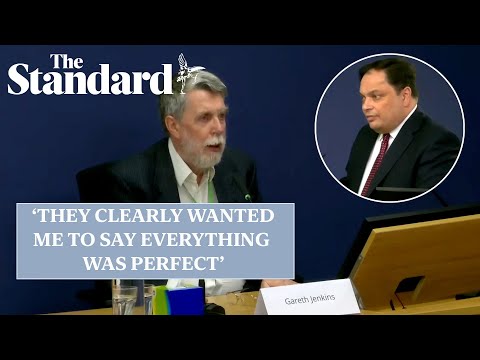
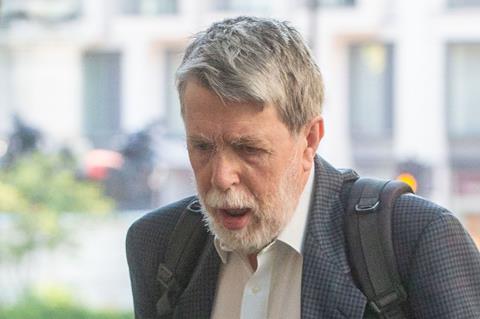
Post Office Horizon IT Inquiry live:
Crucial prosecution witness Gareth Jenkins says
Post Office ‘tried to put words in my mouth’ | Law Gazette
4 Key Takeaways
- When you take the time to watch and listen carefully to the video Nineteen: Tracy Felstead’s Story, and truly understand the profound consequences Tracy Felstead endured for over 20 years, it becomes clear how deeply this injustice affected her life.
- On the other side, consider the confession made by Gareth Jenkins at the end of his intense questioning by Miss Page in the video LIVE: Post Office Inquiry Questions Former Fujitsu Engineer Gareth Jenkins on the Final Day.
- Gareth Jenkins explains:
- “I was trapped in a situation where I ended up doing something I shouldn’t have.”
- The concept of presenting something as both deeply flawed and yet perfect at the same time is not only difficult but also risky.
- In other words, as reported in the Post Office Horizon IT Inquiry live:
Crucial prosecution witness Gareth Jenkins says the Post Office ‘tried to put words in my mouth’ | Law Gazette - Considering that Tracy was just 19 years old when she was imprisoned for no reason at all, this context deepens the gravity of the miscarriage of justice she faced.
5 Such Situations Are Unfortunately Common: It Is Abhorrent
The question is: can we say that something is wrong?
Is there space for reflection, where, in the spirit of openness, a dialogue can emerge?
Why is it so difficult to break through the bitter attitude of rationalizing,
the cold indifference,
in environments that claim to know what is right and wrong—environments that preach compassion,
but fail to practice it themselves?
Zo’n Situaties Zijn Helaas de Werkelijkheid van het Leven: Het Is Weerzinwekkend
De vraag is: kan het gezegd worden dat iets niet goed is?
Is er ruimte voor reflectie, waar, in de geest van openheid, een dialoog kan ontstaan?
Waarom is het zo moeilijk om de wrange houding van rationaliseren,
de koude onverschilligheid,
te doorbreken in milieus die proclameren te weten wat goed en kwaad is— milieus die compassie prediken, maar het zelf niet beoefenen?
6 People Can Behave in Painfully Bizarre Ways
In the face of injustice, people’s actions can sometimes defy all logic, revealing a disturbing detachment from humanity. This disconnection often manifests in ways that feel incomprehensible, as if those involved have lost sight of the basic principles of empathy and accountability. Take, for example, the words of Gareth Jenkins, who, trapped in a flawed system, found himself making decisions that he later regretted, acknowledging that he was “trapped in a situation where he ended up doing something he shouldn’t have.” His admission paints a complex picture of a person caught between duty, pressure, and moral conflict. Yet, while such behavior may seem absurd or even cruel, it’s the painful reality that people can act in ways that strip them of their humanity, causing irreversible damage to the lives of others.
Tracy Felstead’s heartbreaking story, where she reflects on the torment she endured, exemplifies the tragic human cost of a system that seems more focused on protecting itself than on the lives it shatters.
It’s a stark reminder that, in moments of profound failure, people can make decisions that not only defy reason but also inflict long-lasting, often life-altering consequences.
Mensen Kunnen Zich Op Pijnlijk Bizarre Manier Gedragen
In het aangezicht van onrecht kunnen de handelingen van mensen soms alle logica tarten, wat een verontrustende afstand van de menselijkheid onthult. Deze loskoppeling komt vaak tot uiting op een manier die moeilijk te begrijpen is, alsof degenen die erbij betrokken zijn het basale principe van empathie en verantwoordelijkheid uit het oog hebben verloren. Neem bijvoorbeeld de woorden van Gareth Jenkins, die, gevangen in een gebrekkig systeem, beslissingen nam die hij later betreurde, en erkende dat hij “in een situatie terechtkwam waarin hij iets deed wat hij niet had moeten doen.” Zijn bekentenis schetst een complex beeld van een persoon die zich tussen plicht, druk en moreel conflict bevindt. Toch, hoewel dit gedrag misschien absurd of zelfs wreed lijkt, is het de pijnlijke realiteit dat mensen zich op een manier kunnen gedragen die hen hun menselijkheid ontnemeemt, waardoor onherstelbare schade wordt aangericht in het leven van anderen.
Het hartverscheurende verhaal van Tracy Felstead, waarin ze reflecteert op de beproevingen die ze heeft doorgemaakt, is een voorbeeld van de tragische menselijke kosten van een systeem dat meer gericht lijkt op zichzelf beschermen dan op de levens die het verwoest.
Het is een harde herinnering dat, in momenten van diep falen, mensen beslissingen kunnen nemen die niet alleen de rede tarten, maar ook langdurige, vaak levensveranderende gevolgen veroorzaken.
Post Office inquiry and a deep dive character study of Angela van den Bogerd

“Post Office Inquiry and a Deep Dive Character Study of Angela van den Bogaert” explores the pivotal role of Angela van den Bogaert in the Post Office scandal. Through a detailed analysis of her actions during the inquiry, the video highlights the complexities of her character. Special emphasis is placed on the language used by Mr. Henry, a top lawyer, who critically examines her testimony, revealing a cold and detached approach to the suffering caused by the flawed system. This video offers a compelling look at the institutional failures and the individuals at the center of the scandal.
“Post Office-onderzoek en een Diepgaande Karakterstudie van Angela van den Bogaert” verkent de cruciale rol van Angela van den Bogaert in de Post Office-schandaal. Door een gedetailleerde analyse van haar handelingen tijdens het onderzoek, wordt de complexiteit van haar karakter belicht. Speciale nadruk wordt gelegd op de taal gebruikt door Mr. Henry, een topadvocaat, die haar getuigenis kritisch onderzoekt en een koude, afstandelijke benadering van het lijden veroorzaakt door het gebrekkige systeem onthult. Deze video biedt een boeiende kijk op de institutionele falen en de individuen die centraal staan in het schandaal.
7 A High-Level Breakdown: Melinda Gates on the Unraveling of a 27-Year Marriage
Explore the profound emotional and personal impacts of betrayal and injustice through these two videos. While Melinda Gates’ divorce from Bill Gates shocked the world, it highlights how even those at the highest levels of wealth and status are not immune to life’s unpredictable and painful turns.
Similarly, Tracy Felstead’s experience in the Post Office scandal reflects how innocent people, like Barry Gibbs, can become victims of systemic injustice, framed for crimes they had no part in. These stories of loss, trauma, and resilience show that no one is truly exempt from the devastating consequences of others’ actions.
Bekijk de diepgaande emotionele en persoonlijke impact van verraad en onrecht aan de hand van deze twee video’s. Terwijl de scheiding van Melinda Gates van Bill Gates de wereld schokte, benadrukt het hoe zelfs degenen met de hoogste rijkdom en status niet immuun zijn voor de onverwachte en pijnlijke wendingen van het leven.
Op dezelfde manier weerspiegelt de ervaring van Tracy Felstead in het Post Office schandaal hoe onschuldige mensen, zoals Barry Gibbs, slachtoffers kunnen worden van systematisch onrecht, geframed voor misdaden waar ze geen deel van uitmaakten. Deze verhalen van verlies, trauma en veerkracht laten zien dat niemand werkelijk is gevrijwaard van de verwoestende gevolgen van de daden van anderen.
8 Caught in the Act: A Prank Revealing the Complexities of False Accusations
Kid Steals Police Officer Wallet Prank
In een candid camera-fragment werden onschuldige mensen het slachtoffer van een grap, zonder dat ze hier enige schuld aan hadden. De jonge jongen die de truc uitvoerde, was zo overtuigend in zijn rol dat de onwetende omstanders zich niet konden verdedigen tegen de schijnbare misdaad. Naarmate de situatie zich ontvouwde, werd het duidelijk dat, ondanks hun onschuld, de betrokkenen gevangen werden in een web van valse aannames. De grap benadrukte de kwetsbaarheid van degenen die ten onrechte beschuldigd worden en hoe gemakkelijk men een slachtoffer kan worden van omstandigheden die buiten hun controle liggen, vooral wanneer de waarheid wordt vertroebeld door manipulatie.
In een candid camera-fragment werden onschuldige mensen het slachtoffer van een grap, zonder dat ze hier enige schuld aan hadden. De jonge jongen die de truc uitvoerde, was zo overtuigend in zijn rol dat de onwetende omstanders zich niet konden verdedigen tegen de schijnbare misdaad. Naarmate de situatie zich ontvouwde, werd het duidelijk dat, ondanks hun onschuld, de betrokkenen gevangen werden in een web van valse aannames. De grap benadrukte de kwetsbaarheid van degenen die ten onrechte beschuldigd worden en hoe gemakkelijk men een slachtoffer kan worden van omstandigheden die buiten hun controle liggen, vooral wanneer de waarheid wordt vertroebeld door manipulatie.