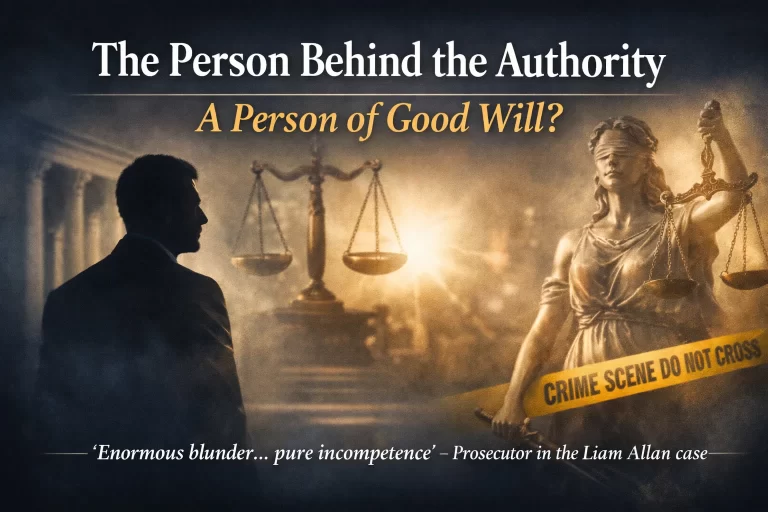
Page Description
Explore the complexities behind authority figures and their true character. Is the person in power genuinely of good will, or is there more beneath the surface?
Authority figures hold immense power and responsibility, yet their true character often remains obscured.
In this exploration, we delve into the complexities behind those who wield authority.
Are they genuinely people of good will, or is there more to their motivations than meets the eye?
The consequences of their actions often extend far beyond their intentions, affecting the lives of those they influence.
Autoriteitsfiguren dragen enorme macht en verantwoordelijkheid, maar hun ware karakter blijft vaak verborgen.
In deze verkenning duiken we in de complexiteit van degenen die macht uitoefenen.
Zijn ze werkelijk mensen van goede wil, of schuilt er meer achter hun motivatie dan op het eerste gezicht lijkt?
De gevolgen van hun acties strekken zich vaak verder uit dan hun bedoelingen, en raken de levens van degenen die zij beïnvloeden.
Introduction
The distorted behavior of lying and deceiving, especially when it comes from those in positions of power, is a profound issue that often goes unnoticed or unaddressed. This type of behavior not only undermines trust but also causes harm in ways that ripple through society. Here’s how we could expand on this concept:
Distorted Behavior, Lying, and Deceiving
When authority figures, whether in government, law, or other institutions, engage in lying or deception, it creates a toxic environment that erodes trust at every level. These actions may be subtle at first, but over time, they grow more blatant and damaging, distorting the truth in ways that harm individuals, families, and entire communities.
The Nature of Distorted Behavior:
Self-Justification: Those who lie or deceive often convince themselves that their actions are justified, whether for personal gain, self-protection, or a belief that they are acting for a greater good. This self-justification can lead to a twisted perception of reality, where the line between truth and falsehood becomes blurred.
Manipulation of Facts: Power dynamics often lead to the manipulation of facts to suit a particular narrative. When those in charge twist or selectively present information, it can mislead the public and others affected by their decisions, sometimes with devastating consequences.
The Impact on Trust:
Erosion of Faith: When people in power lie or deceive, it shakes the foundation of trust in societal structures. Citizens, employees, or subordinates who rely on these institutions to function ethically and fairly begin to lose faith. This breakdown in trust can cause a sense of alienation and disillusionment.
Unintended Consequences: The lies and deceptions that may appear harmless or inconsequential at first can have far-reaching consequences. What begins as a small manipulation can snowball, leading to wrongful accusations, ruined reputations, and even legal or financial ruin for innocent individuals.
Deception as a Tool for Power:
Control Through Falsehood: Deception can be used as a tool to maintain or gain power. By distorting reality, those in authority can control narratives, silence dissent, and prevent scrutiny of their actions. This creates a system where the truth is irrelevant, and power is maintained through manipulation and deceit.
Creating a False Reality: When deception becomes ingrained in an institution, it creates a false reality where those in power operate under the assumption that their lies are accepted or that the truth no longer matters. This can lead to a culture of dishonesty, where lies are routinely told without fear of repercussion.
The Human Cost:
Victims of Deception: The victims of distorted behavior and lies often suffer in silence. Whether they’re wrongfully accused in the justice system, exploited in corporate environments, or manipulated in personal relationships, the psychological and emotional toll can be devastating. The loss of trust, the feeling of betrayal, and the lasting damage to one’s reputation can have a profound impact on an individual’s life.
Long-Term Damage: The long-term effects of deception aren’t just personal—they’re societal. When lies are allowed to persist without challenge, they corrode the very fabric of trust that binds a community or nation together. This leads to further division, disenfranchisement, and a weakened social structure.
Connecting to “The Dialogue of the Deaf”
The idea of “The Dialogue of the Deaf” fits perfectly here. In a system where lies and deceptions are prevalent, communication breaks down. Those in power refuse to listen to the voices of those who are affected by their actions. Instead of engaging in an honest dialogue, they speak past others, ignoring their experiences and perpetuating a narrative that serves their own interests. This inability or unwillingness to listen creates a toxic cycle of distortion, where the truth is ignored and the consequences of dishonesty continue to escalate.
Conclusion
In the end, the distorted behavior of lying and deceiving is not just about moral failings—it’s about how these behaviors affect the broader society. They create a world where truth is secondary, trust is broken, and individuals are left to suffer the consequences. The “Dialogue of the Deaf” highlights this reality, showing how power can insulate those in authority from the truth and prevent meaningful communication.
Vervormd Gedrag, Liegen en Bedriegen
Wanneer autoriteitsfiguren, of ze nu in de overheid, het rechtssysteem of andere instellingen zitten, zich bezighouden met liegen of bedriegen, creëert dit een toxische omgeving die het vertrouwen op elk niveau ondermijnt. Dit soort gedrag is vaak subtiel in het begin, maar na verloop van tijd wordt het duidelijker en schadelijker, waarbij de waarheid op manieren wordt vervormd die schade toebrengen aan individuen, gezinnen en hele gemeenschappen.
De Natuur van Vervormd Gedrag:
Zelfrechtvaardiging: Degenen die liegen of bedriegen, overtuigen zichzelf vaak dat hun acties gerechtvaardigd zijn, of het nu is voor persoonlijk gewin, zelfbescherming of de overtuiging dat ze handelen voor een groter goed. Deze zelfrechtvaardiging kan leiden tot een vertekend beeld van de werkelijkheid, waarbij de lijn tussen waarheid en leugen vervaagt.
Manipulatie van Feiten: Machtsdynamiek leidt vaak tot de manipulatie van feiten om een bepaald narratief te ondersteunen. Wanneer degenen die aan de macht zijn, informatie verdraaien of selectief presenteren, kan dit het publiek en anderen die door hun beslissingen worden beïnvloed, misleiden, soms met verwoestende gevolgen.
De Impact op Vertrouwen:
Erosie van Geloof: Wanneer mensen in macht liegen of bedriegen, ondermijnt dit de basis van vertrouwen in maatschappelijke structuren. Burgers, werknemers of ondergeschikten die afhankelijk zijn van deze instellingen om ethisch en eerlijk te functioneren, beginnen hun vertrouwen te verliezen. Deze afbraak van vertrouwen kan leiden tot gevoelens van vervreemding en teleurstelling.
Onbedoelde Gevolgen: De leugens en bedriegerij die in het begin onschuldig of onbeduidend lijken, kunnen verstrekkende gevolgen hebben. Wat begint als een kleine manipulatie kan zich ophopen, wat leidt tot onterechte beschuldigingen, verwoeste reputaties en zelfs juridische of financiële ruïne voor onschuldige individuen.
Bedrog als Machtshandelsmiddel:
Controle Door Valsheid: Bedrog kan worden gebruikt als een middel om macht te behouden of te verkrijgen. Door de werkelijkheid te vervormen, kunnen de machthebbers de verhalen controleren, kritiek onderdrukken en voorkomen dat hun acties worden onderzocht. Dit creëert een systeem waarin de waarheid irrelevant is en macht wordt behouden door manipulatie en bedrog.
Het Creëren van een Valse Realiteit: Wanneer bedrog verankerd raakt in een instelling, creëert dit een valse realiteit waarin degenen in macht opereren onder de veronderstelling dat hun leugens geaccepteerd worden of dat de waarheid er niet toe doet. Dit kan leiden tot een cultuur van oneerlijkheid, waarin leugens routinematig worden verteld zonder angst voor repercussies.
De Menselijke Kosten:
Slachtoffers van Bedrog: De slachtoffers van vervormd gedrag en leugens lijden vaak in stilte. Of ze nu onterecht worden beschuldigd in het rechtssysteem, worden uitgebuit in zakelijke omgevingen, of worden gemanipuleerd in persoonlijke relaties, de psychologische en emotionele tol kan verwoestend zijn. Het verlies van vertrouwen, het gevoel van verraad, en de blijvende schade aan iemands reputatie kunnen een diepgaande impact hebben op het leven van een individu.
Langdurige Schade: De langdurige effecten van bedrog zijn niet alleen persoonlijk; ze zijn vaak maatschappelijk. Wanneer leugens worden toegestaan zonder uitdaging, ondermijnen ze het fundament van vertrouwen dat een gemeenschap of natie bij elkaar houdt. Dit leidt tot verdere verdeeldheid, ontworteling en een verzwakt sociaal weefsel.
Verbinding met “De Dialoog van de Doven”
Het idee van de “Dialoog van de Doven” past hier perfect. In een systeem waar leugens en bedrog alomtegenwoordig zijn, komt communicatie tot stilstand. Degenen in macht weigeren te luisteren naar het lijden of de klachten van anderen. In plaats van een eerlijke dialoog te voeren, praten ze langs elkaar heen, terwijl ze de ervaringen van anderen negeren en een narratief blijven ondersteunen dat hun eigen belangen dient. Dit onvermogen of de weigering om te luisteren creëert een toxische cyclus van vervorming, waarbij de waarheid wordt genegeerd en de gevolgen van oneerlijkheid blijven escaleren.
Conclusie
Uiteindelijk gaat vervormd gedrag van liegen en bedriegen niet alleen over morele tekortkomingen—het gaat over hoe deze gedragingen de bredere samenleving beïnvloeden. Ze creëren een wereld waarin de waarheid ondergeschikt is, vertrouwen wordt gebroken en individuen de gevolgen van bedrog moeten dragen. De “Dialoog van de Doven” benadrukt deze realiteit, waarin machthebbers zich afsluiten van de waarheid en voorkomen dat er een betekenisvolle communicatie plaatsvindt.
Broader Societal Implications of Organised Failure
The consistent pattern of organized failure across different sectors—from government and justice to corporations—has profound consequences for society at large. When institutions, corporations, or political figures repeatedly make decisions that disregard the well-being of individuals or communities, it creates a ripple effect that undermines trust, damages social fabric, and erodes the very values that hold societies together.
Loss of Trust in Institutions:
One of the most significant consequences of organized failure is the erosion of trust in institutions. When people see that authorities or powerful figures consistently prioritize their own interests over public welfare, they begin to lose faith in systems that are supposed to protect and serve them. This loss of trust can lead to widespread disillusionment, apathy, or even radicalization, where people feel their voices are no longer heard.
For example, in the case of the Post Office scandal, many of the subpostmasters who were wronged lost trust not only in the Post Office but also in the justice system, which failed to address the systemic issues. This has long-term effects on public engagement and the willingness of citizens to trust legal or governmental processes.
Institutionalized Injustice:
When these failures are not addressed and corrected, they become institutionalized. In other words, systems that are supposed to function with fairness and transparency begin to operate with blind spots, corruption, or negligence built into their very structure. This leads to injustice becoming a standard, where certain individuals or groups are disproportionately affected by policies, practices, or decisions that were made without proper consideration of their impact.
The injustice faced by those affected by these failures is not just an individual problem—it becomes a societal one, creating systemic inequality and perpetuating cycles of harm.
Psychological and Emotional Toll:
The psychological and emotional toll of these failures can be devastating. The individuals caught in these situations—whether wrongfully accused in the case of the Post Office scandal or harmed by corporate negligence—often face long-term trauma. This can lead to a sense of powerlessness, depression, anxiety, and a loss of hope in the future.
The damage done is not just personal but collective, as communities begin to fracture under the weight of systemic failures. People start to feel as though the system is rigged against them, leading to a decrease in social cohesion and an increase in societal tension.
Undermining the Foundations of Democracy:
In democratic societies, the assumption is that institutions exist to serve the people, and that power is held accountable by transparent processes and the rule of law. When power is abused or when failures are ignored, it weakens these foundational principles. People begin to question the legitimacy of their leaders, the fairness of the laws, and the integrity of institutions that are supposed to safeguard their rights.
A democratic system relies on trust and faith in the justice process. When these failings persist, they not only harm individuals but threaten the very functioning of democracy itself.
Cultural Shift Toward Cynicism and Disengagement:
A significant societal shift occurs when these failures are not rectified. People begin to become more cynical about the possibility of change, believing that those in power will never be held accountable. This leads to disengagement from civic duties, lower voter turnout, and a decline in public activism. The collective mindset shifts from one of hope and participation to one of resignation and detachment.
Social Fragmentation:
The repeated pattern of failure and cover-up can lead to social fragmentation. As different groups in society begin to feel excluded or mistreated by the system, divisions grow. Whether it’s along economic, racial, or political lines, these divisions can deepen, leading to increased social unrest, protests, and even violence. When the system no longer serves the people, it often results in a fractured society where cooperation becomes harder and conflict becomes more likely.
Conclusion
The broader societal implications of these repeated failures are far-reaching. They erode the trust that binds communities together, perpetuate inequality, and undermine the legitimacy of institutions. Over time, this cycle of failure and cover-up damages the very fabric of society, leading to a loss of social cohesion, widespread disillusionment, and a weakening of democratic principles.
Maatschappelijke Gevolgen van Georganiseerde Mislukking
Het consistente patroon van georganiseerde mislukkingen in verschillende sectoren – van de overheid en rechtspraak tot bedrijven – heeft diepgaande gevolgen voor de samenleving als geheel. Wanneer instellingen, bedrijven of politieke figuren herhaaldelijk besluiten nemen die het welzijn van individuen of gemeenschappen negeren, creëert dit een golf van negatieve effecten die het vertrouwen ondermijnt, de sociale samenhang beschadigt en de waarden die samenlevingen bij elkaar houden, verzwakt.
Verlies van Vertrouwen in Instellingen:
Een van de belangrijkste gevolgen van georganiseerde mislukkingen is de erosie van vertrouwen in instellingen. Wanneer mensen zien dat autoriteiten of machtige figuren consequent hun eigen belangen boven het algemeen belang stellen, verliezen ze het vertrouwen in systemen die hen zouden moeten beschermen en dienen. Dit verlies van vertrouwen kan leiden tot wijdverspreide teleurstelling, apathie of zelfs radicalisatie, waarbij mensen het gevoel hebben dat hun stem niet meer wordt gehoord.
Bijvoorbeeld, in het geval van het Post Office-schandaal, verloren veel van de onterecht beschuldigde subpostmeesters niet alleen hun vertrouwen in de Post Office, maar ook in het rechtssysteem, dat faalde in het aanpakken van de systemische problemen. Dit heeft langdurige effecten op de betrokkenheid van het publiek en de bereidheid van burgers om juridische of overheidsprocessen te vertrouwen.
Geïnstitutionaliseerde Onrechtvaardigheid:
Wanneer deze mislukkingen niet worden aangepakt en gecorrigeerd, raken ze geïnstitutionaliseerd. Met andere woorden, systemen die zouden moeten functioneren met eerlijkheid en transparantie, beginnen te opereren met blinde vlekken, corruptie of nalatigheid die in hun structuur zelf ingebouwd zijn. Dit leidt ertoe dat onrechtvaardigheid de norm wordt, waarbij bepaalde individuen of groepen onevenredig worden getroffen door beleidsmaatregelen, praktijken of beslissingen die niet zorgvuldig zijn afgewogen qua impact.
Het onrecht dat degenen die getroffen zijn door deze mislukkingen ervaren, is niet alleen een individueel probleem – het wordt een maatschappelijk probleem, wat leidt tot systemische ongelijkheid en de voortzetting van schadelijke cycli.
Psychologische en Emotionele Schade:
De psychologische en emotionele schade van deze mislukkingen kan verwoestend zijn. De individuen die in deze situaties verstrikt raken – of ze nu onterecht beschuldigd worden in het rechtssysteem of benadeeld worden door bedrijfsnalatigheid – ondergaan vaak langdurig trauma. Dit kan leiden tot gevoelens van machteloosheid, depressie, angst en een verlies van hoop voor de toekomst.
De schade die wordt aangericht is niet alleen persoonlijk, maar collectief, aangezien gemeenschappen beginnen te fragmenteren onder de druk van systematische mislukkingen. Mensen beginnen te voelen dat het systeem tegen hen is, wat leidt tot een afname van de sociale samenhang en een toename van maatschappelijke spanning.
Ondermijning van de Grondslagen van de Democratie:
In democratische samenlevingen wordt ervan uitgegaan dat instellingen bestaan om de mensen te dienen en dat macht wordt verantwoord door transparante processen en de rechtsstaat. Wanneer macht wordt misbruikt of wanneer mislukkingen worden genegeerd, verzwakken deze fundamentele principes. Mensen beginnen de legitimiteit van hun leiders, de eerlijkheid van de wet en de integriteit van instellingen die hun rechten zouden moeten beschermen, in twijfel te trekken.
Een democratisch systeem is afhankelijk van vertrouwen en geloof in het rechtssysteem. Wanneer deze mislukkingen voortduren, schaden ze niet alleen de individuen, maar bedreigen ze de werking van de democratie zelf.
Culturele Verschuiving naar Cynisme en Afstand:
Een significante maatschappelijke verschuiving vindt plaats wanneer deze mislukkingen niet worden gecorrigeerd. Mensen worden cynischer over de mogelijkheid van verandering, in de overtuiging dat de machthebbers nooit verantwoordelijk zullen worden gehouden. Dit leidt tot apathie voor burgerlijke plichten, lagere opkomst bij verkiezingen en een afname van publieke activisme. De collectieve geest verschuift van hoop en deelname naar berusting en afstandelijkheid.
Sociale Fragmentatie:
Het herhaaldelijke patroon van mislukkingen en verdoezeling kan leiden tot sociale fragmentatie. Wanneer verschillende groepen in de samenleving zich uitgesloten of slecht behandeld voelen door het systeem, groeien de verdeeldheden. Of het nu gaat om economische, raciale of politieke lijnen, deze verdeeldheden kunnen verdiepen, wat leidt tot verhoogde maatschappelijke onrust, protesten en zelfs geweld. Wanneer het systeem de mensen niet langer dient, resulteert dit vaak in een gefragmenteerde samenleving waar samenwerking moeilijker wordt en conflicten waarschijnlijker worden.
Conclusie
De bredere maatschappelijke gevolgen van deze herhaalde mislukkingen zijn vergaand. Ze ondermijnen het vertrouwen dat gemeenschappen bij elkaar houdt, perpetueren ongelijkheid en verzwakken de legitimiteit van instellingen. Na verloop van tijd beschadigt deze cyclus van mislukkingen en verdoezeling het weefsel van de samenleving, wat leidt tot verlies van sociale samenhang, wijdverspreide teleurstelling en verzwakking van democratische principes.
Make a Fool of Somebody
It seems like the video “Youp van ‘t Hek over T-Mobile” perfectly encapsulates the sharp, unapologetic commentary that resonates with the themes of organized failure and societal issues explained in more detail before on this page.
Youp’s engaging, no-holds-barred approach challenges people to think critically about the flaws in society and the media, as well as their own role in addressing these failures.
The moment you mentioned at 26:45 seems like it could provide a particularly striking insight into how these broader societal issues unfold, much like the organized failures in the cases you’ve studied.
It’s fascinating how T-Mobile’s response to Youp van ‘t Hek’s tweets reflects a classic example of how organizations handle crises—often by downplaying the problem or framing it as something that can easily be fixed, rather than addressing the root cause. The response from T-Mobile, “Problemen zijn er om opgelost te worden,” seems to be an attempt to present the issue as manageable, rather than recognizing the deeper, structural problem that might be at play.
The fear T-Mobile expressed about a second column from Joop van ‘t Hek in the newspaper speaks volumes about how organizations sometimes react out of concern for their reputation rather than a genuine desire to fix the issue. It’s not about solving the problem at its core; it’s about managing the image and minimizing the damage to their public perception. This type of corporate behavior is often part of the “organized failure” you’ve observed—where the focus is on damage control rather than addressing the systemic issues that led to the failure in the first place.
In a larger societal context, this reaction is part of the pattern where those in power often deflect or downplay the issues until the pressure becomes too much to ignore. This is the kind of behavior that contributes to the ongoing cycle of institutionalized injustice, where the system protects itself rather than the people it was meant to serve.
Het lijkt erop dat de video „Youp van ’t Hek over T-Mobile“ perfect de scherpe, ongezouten kritiek weergeeft die aansluit bij de thema’s van georganiseerde mislukkingen en maatschappelijke kwesties hoger uitgelegd op deze pagina.
Youp’s betrokken, zonder franjes benaderingen daagt mensen uit om kritisch na te denken over de tekortkomingen van de samenleving en de media, evenals hun eigen rol in het aanpakken van deze mislukkingen.
Het moment dat je noemde op 26:45 lijkt een bijzonder treffend inzicht te bieden in hoe deze bredere maatschappelijke kwesties zich ontvouwen, net als de georganiseerde mislukkingen in de gevallen die je hebt bestudeerd.
Het is fascinerend hoe de reactie van T-Mobile op de tweets van Youp van ‘t Hek een klassiek voorbeeld is van hoe organisaties omgaan met crises – vaak door het probleem te bagatelliseren of het als iets te presenteren dat gemakkelijk opgelost kan worden, in plaats van het onderliggende probleem aan te pakken. De reactie van T-Mobile, “Problemen zijn er om opgelost te worden,” lijkt een poging om het probleem als beheersbaar voor te stellen, in plaats van de diepere, structurele kwestie te erkennen die mogelijk ten grondslag ligt aan het probleem.
De vrees die T-Mobile uitte over een tweede column van Joop van ‘t Hek in de krant, zegt veel over hoe organisaties soms reageren uit bezorgdheid voor hun reputatie, in plaats van een oprechte wens om het probleem op te lossen. Het gaat niet om het probleem in zijn kern oplossen; het gaat om het managen van het imago en het minimaliseren van de schade aan hun publieke perceptie. Dit soort bedrijfsvoering is vaak een onderdeel van de “georganiseerde mislukking” die je hebt waargenomen, waarbij de focus ligt op crisisbeheersing in plaats van het aanpakken van de systemische kwesties die tot de mislukking hebben geleid.
In een bredere maatschappelijke context is deze reactie onderdeel van het patroon waarbij degenen in macht vaak de problemen afwimpelen of bagatelliseren totdat de druk te groot wordt om te negeren. Dit is het soort gedrag dat bijdraagt aan de voortdurende cyclus van geïnstitutionaliseerde onrechtvaardigheid, waarbij het systeem zichzelf beschermt in plaats van de mensen die het zou moeten dienen.
Waarom mogen congresleden niet alles lezen in Epstein-dossier? | RTL Tonight

Verontrustende details in Epstein-files | RTL Tonight
Victims Find Love While Folding Laundry

In the original version of Romeo & Juliet, the two met while at the laundromat. Please don’t fact check that!